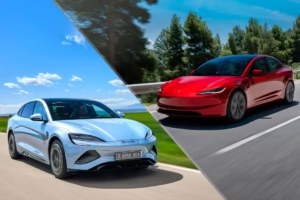
Electric cars aren’t just the future they’re the drama. The most recent automotive controversy in this category is the question BYD vs. Tesla and which is better? One’s loud, flashy, and all about innovation. The other’s steady, strategic, and making big moves without the noise. So, what happens when the bold American meets the mighty Chinese contender? Here’s the showdown.
Tesla vs. BYD – This Electric Rivalry Is Charging Up by the Second
Remember when Elon Musk chuckled at BYD back in 2011, saying, “Have you seen their car?“ Fast forward to today, and that laughter has turned into serious competition. The Chinese automotive giant has not only caught up but, in some areas, has zoomed past Tesla in the electric vehicle (EV) race.
In 2024, BYD reported a whopping $107 billion in revenue, outpacing Tesla’s $97.7 billion. Moreover, it seems like this is only the beginning. According to CNN Business, BYD’s 1Q25 sales are just shy of a million four-wheelers, boosting sales as much as 58%.
Meanwhile, Tesla faces challenges in China and Europe due to increased competition and other market dynamics. The EV showdown is heating up, and whatever the future might hold, one thing’s for sure BYD’s no longer in the rearview mirror.
Meet Tesla – The OG Electric Rockstar
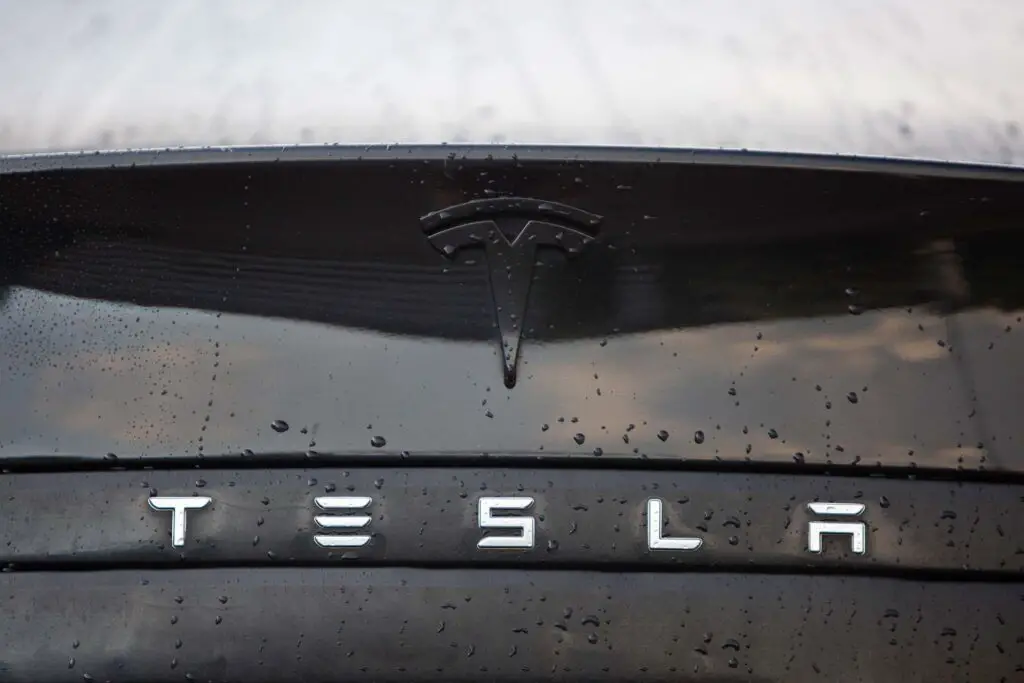
Tesla doesn’t need much introduction, but let’s do it anyway. It’s the brand that made electric cars cool, turning them from science fair projects into street-dominating tech toys. From the flashy Model X to the more budget-friendly Model 3, this automotive titan has built a loyal fan base that treats software updates like Christmas. Love it or hate it, it shook up the industry and made everyone else scramble to catch up.
Meet BYD – The Silent Beast from the East
BYD is short for Build Your Dreams – which sounds like a corny motivational poster but is actually China’s EV powerhouse. While Tesla was grabbing headlines, this brand was quietly building an empire.
It started out making batteries, and now it’s cranking out electric cars and even buses like it’s no big deal. With serious government backing and an eye on affordability, BYD’s strategy has been simple grow fast, go global, and don’t get distracted by Twitter drama.

BYD vs. Tesla Quality of the Battery – Who’s Got the Juice?
Batteries are the soul of any EV, and both brands are doing things their own way. Tesla uses two main types NCA (Nickel-Cobalt-Aluminum) batteries in premium vehicles like the Model S and Model X, and LFP (Lithium Iron Phosphate) batteries in standard range four-wheelers like the Model 3 and Model Y.
NCA batteries offer higher energy density, meaning more miles per charge, while Lithium Iron Phosphate batteries are cheaper, safer, and can handle regular full charges without stress. BYD’s all about that second option. But not just any LFP they’ve developed the innovative Blade Battery, a slimmed-down, safer version that’s resistant to overheating and physical damage.
Range Anxiety? Let’s Talk Distance
Nobody wants to be stranded with a 2% battery and no charger in sight. That’s where range matters. A solid electric car needs to go the distance literally. Let’s see how some top models from each brand perform when it comes to miles on a full charge:
| Model | Battery Type | Range (Miles) |
| Model S | NCA | 390-450 |
| Model 3 | LFP | 254-391 |
| Qin Plus EV | LFP | 248-373 |
| Han EV | LFP | 314-379 |
Speed and Performance – Who’s Quicker off the Line?
When it comes to speed, Tesla doesn’t mess around. The Model S Plaid is basically a street-legal rocket, going from 0 to 60 mph in just 1.99 seconds and topping out at 200 mph. It’s one of the fastest production four-wheelers in the world, full stop.
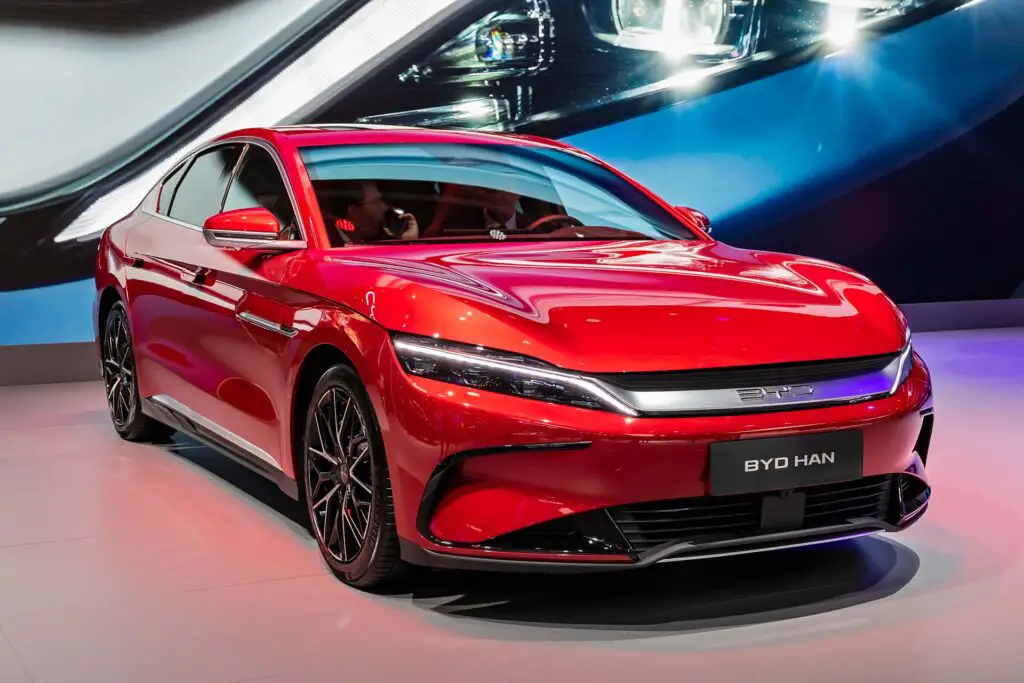
BYD’s no slouch either, but it’s not chasing records the same way. The Hand EV, their performance flagship, does 0 to 60 in around 3.9 seconds and reaches a top speed of about 115 mph. Respectable? Absolutely. But Tesla’s clearly the faster electric car of the two, and it knows it!
Handling, Ride Comfort, and Daily Drive Vibes
Now, straight-line speed is great for bragging rights, but most drivers care more about how the four-wheeler actually feels on the road. Tesla leans into sporty handling, especially in the Model 3 and Model Y, with a low center of gravity thanks to its floor-mounted batteries. You get sharp steering and tight cornering, though sometimes the ride can feel a little stiff like it’s trying a bit too hard to prove it’s athletic.
BYD, meanwhile, is going for a more relaxed vibe. The Han EV and Qin Plus focus on comfort, with a suspension that’s softer and more forgiving on rough roads. It’s less track day and more every day, which, in most cases, makes it a better city car. However, at the end of the day, it all comes down to whether you want speed and swagger or a smoother, more chill driving experience.
Tech, Gadgets, and Dashboard Toys
BYD might not be as loud about its tech as Tesla, but don’t let that fool you, it’s got some seriously cool toys under the hood (and on the dashboard). Many models come with a signature 15.6” rotating touchscreen. Yes, it literally swivels between portrait and landscape mode like a giant phone. It’s all very slick and very futuristic, without the Silicon Valley drama. Here are some cool features:
- DiLink infotainment with app support,
- Built-in dash cam and 360° cameras,
- Voice control with Mandarin & English support,
- Smart connectivity with home devices,
- Advanced driver-assist features in premium models.
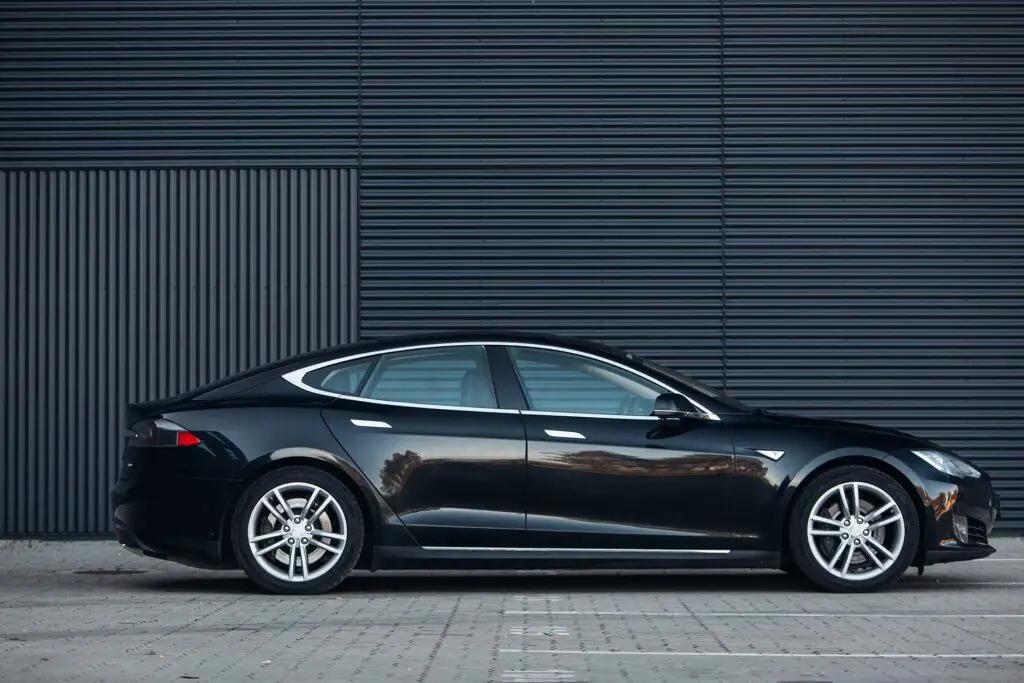
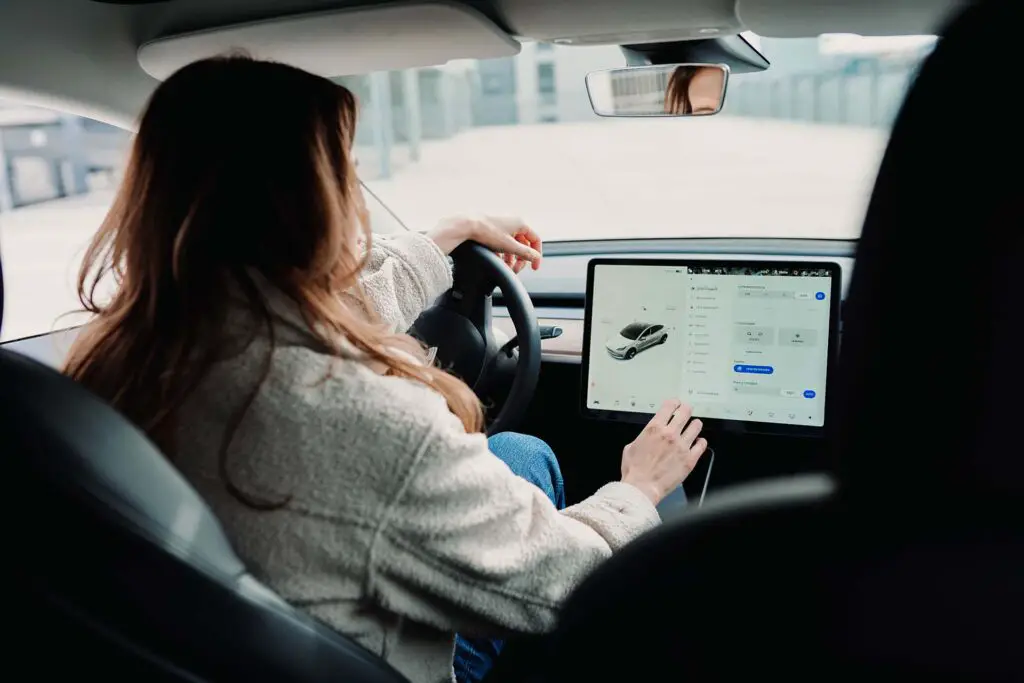
Now, Tesla… Well, the entire brand is built on tech flex. The minimalist interior is dominated by a 15” central touchscreen that controls literally everything, climate, navigation, games, and even the glove box. The infotainment system is lightning-fast, updates come over the air like your phone, and yes, it can play Witcher 3 or do karaoke. Here’s what Tesla’s electric cars bring to the table:
- Over-the-air software updates,
- Ultra-customizable driving profiles and settings,
- Full Self-Driving (FSD) beta,
- Dog Mode, Sentry Mode, and Boombox Mode,
- Streaming apps, gaming, and karaoke.
Which EV Has the Better Tech Behind the Wheels?
It’s a tough call, but here’s the breakdown, Tesla’s flashier, faster, and packed with fun extras, especially if you’re into tech overload. But BYD is more practical, focused, and just as innovative – it just does it with a little less attitude. It all comes down to whether you’d like an infotainment system that quietly does it all or if you want your electric vehicle to feel like a spaceship with a sense of humor.
Sustainability, Manufacturing, and What’s Under the Hood
Both of these brands talk the green talk, but they’re building their empires very differently. Tesla’s big flex is its gigafactories, cranking out batteries, motors, and solar tech across continents. It’s vertically integrated and obsessed with controlling every part of the process, down to the robot that paints the four-wheeler.
BYD, though, might have taken that idea and gone even further. They make their own batteries, chips, and even semiconductors, all in-house. It’s like the EV version of growing your own veggies. Both brands are ditching rare earth materials, cutting emissions in production, and pushing for cleaner energy. However, BYD’s local sourcing strategy might give it the edge in long-term sustainability.
BYD vs. Tesla Sales – Numbers Don’t Lie (But They Do Brag)
While we’ve touched upon the BYD sales vs. Tesla sales discussion in the beginning, let’s dig a little deeper. According to Business Insider, BYD sold over 4.27 million vehicles in 2024, significantly outpacing Tesla’s 1.78 million.
However, it’s worth noting that BYD’s figures include hybrids, while Tesla’s are purely electric cars. But with the significant growth the Chinese brand experienced in the first quarter of this year, the gap might keep on getting bigger and bigger, with no end in sight.
What You Actually Get for the Money
When it comes to pricing, BYD often undercuts its competitors, offering compelling alternatives for budget-conscious buyers. However, the brand doesn’t always play the budget card. For example, the Seal Premium is priced at around $59,000 plus on-road costs, while the Model 3 starts at roughly $55,000 USD. But in this case, BYD packs in more features for the price, making it a strong value play despite the higher sticker.
Social Buzz, Fanboys, and Public Perception
Tesla has cultivated a passionate and vocal fan base, with enthusiasts often touting the brand’s innovation and Elon Musk’s visionary leadership. This fervent following has propelled the brand to a cult-like status in the EV world. BYD, while lacking the same level of fanfare, has been steadily gaining respect, especially in markets outside the West. Now more than ever, it seems completely possible that the script will be flipped upside down.
So, Who’s the Real EV MVP?
Choosing between these automotive giants is like picking between a ninja and a rockstar. One’s stealthy, strategic, and quietly taking over the world. The other’s loud, flashy, and drops updates like mixtapes. So who’s better? Honestly, it depends if you want your electric car to do the talking, or just do the job. Either way, the automotive future looks pretty sweet… and slightly competitive.