Some rivalries never get old. Coke vs. Pepsi. Cats vs. dogs. And in the auto world, Honda vs. Toyota reliability. Both have legendary reputations, countless loyal fans, and vehicles known to outlast just about everything. But in 2025, with all the tech upgrades and changing designs, does the old reliability debate still hold up? Is one brand truly better at going the distance, or are they both just different flavors of dependable? Let’s break it all down.
Toyota vs. Honda Reliability – A Rivalry Older Than Your Grandpa’s Civic
In the vast landscape of American highways, two Japanese automotive titans have reigned supreme – Toyota and Honda. According to recent projections, there will be around 298.7 million registered vehicles in the US this year. While this number is only an estimate, one thing’s for certain – these two automakers will still be on top.
In fact, the Toyota RAV4 was the top-selling SUV in 24 US states last year. Not to be outdone, Honda’s CR-V clinched the fifth spot in national sales. Both brands have cultivated fiercely loyal fan bases, each swearing by unparalleled reliability. This competition has spurred innovations, with each automaker striving to outdo the other in durability, performance, and customer satisfaction. So, let’s dive deep into this exciting automotive rivalry.
Engine Longevity – Who’s Still Running at 300,000 Miles?
A car can have all the fancy features in the world – heated leather seats or a spaceship-level infotainment system – but none of that matters if the engine gives up after 100,000 miles. When an engine is built right, it shrugs off years of abuse, neglect, and questionable oil change schedules. And when it isn’t… well, let’s just say it’ll have a very close relationship with your local tow truck driver.
Honda’s Bulletproof VTEC – Magic or Myth?
Honda’s fans will swear on their well-worn Civic floor mats that VTEC (Variable Valve Timing and Lift Electronic Control) is nothing short of automotive magic. And honestly? They’re not wrong.
These engines are famous for their ability to rev high, sip fuel, and last well beyond 300,000 miles when properly maintained. Besides VTEC, here’s what makes these engines so legendary:
- Aluminum block construction – lightweight but strong, reducing wear over time,
- Overbuilt internals – they don’t cut corners on pistons, crankshafts, or connecting rods,
- Low-maintenance design – with regular oil changes and timing belt swaps, these engines just keep going.
Toyota’s Secret Sauce – The Million-Mile Club
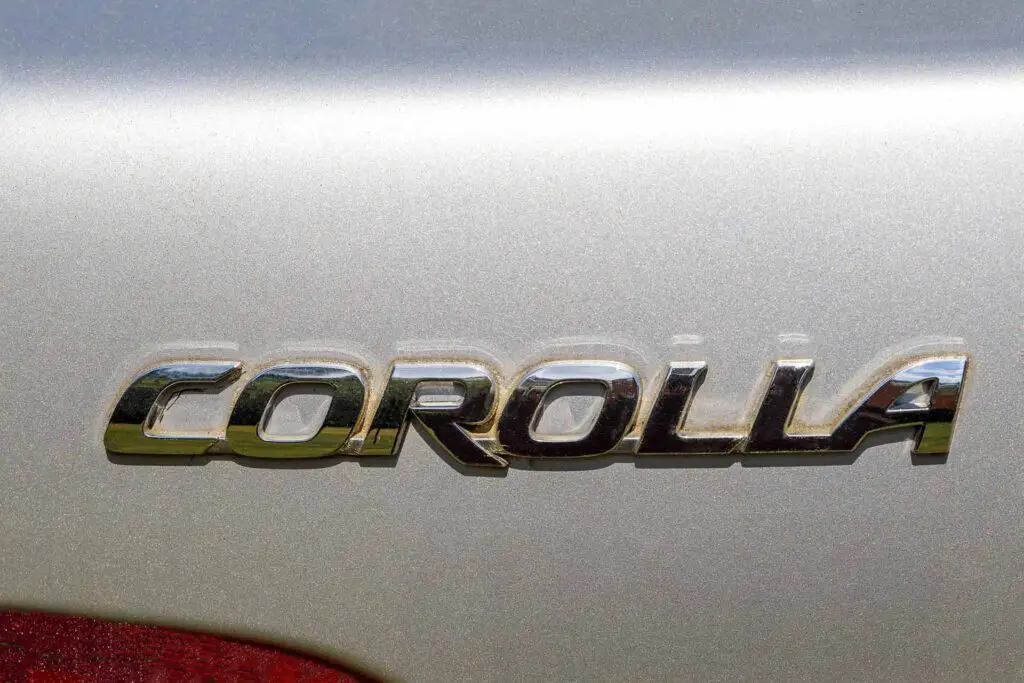
If Honda’s engines are known for being rev-happy workhorses, Toyota’s engines are the unkillable cockroaches – built to survive just about anything. It’s not uncommon to see a 1997 Corolla still buzzing down the road with 400,000 miles and an owner who refuses to upgrade.
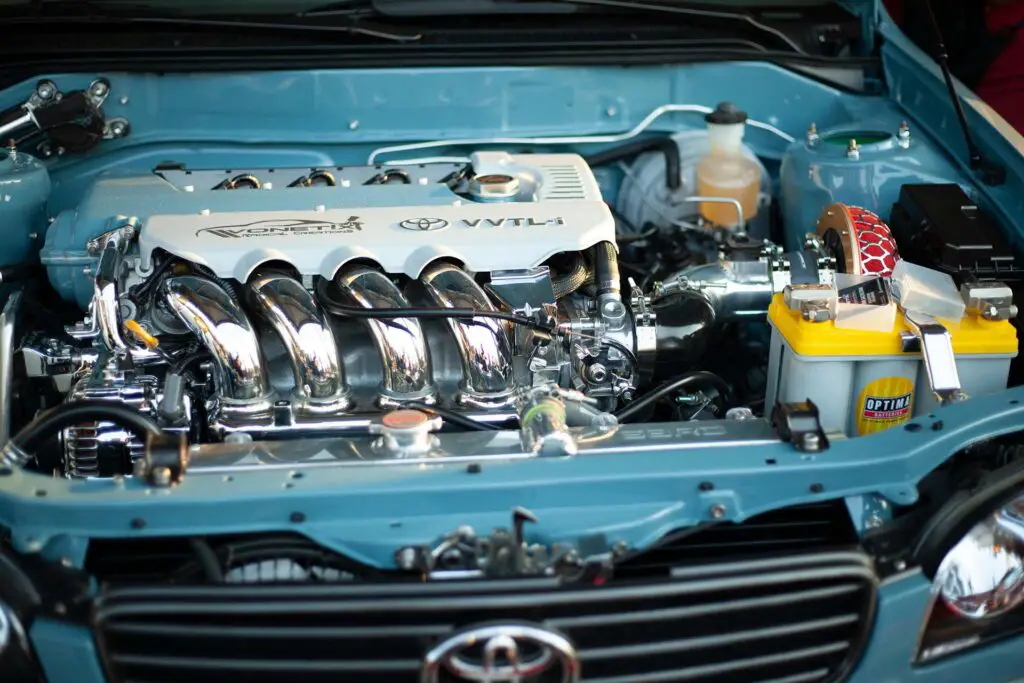
Conservative power output, tried-and-true engineering, and an almost obsessive focus on quality control make Toyota’s engines some of the most reliable ever built. It’s no wonder that high-mileage Land Cruisers, Tacomas, and Camrys are still out there, running strong while their original owners have probably already retired.
Honda vs. Toyota Reliability – Maintenance and Repairs
When it comes to keeping your prized ride running smoothly, maintenance is key. Both Honda and Toyota have stellar reputations for reliability, but how do they stack up when it comes to maintenance and repair costs? To give you a clearer picture, here’s a comparison of the average annual maintenance costs for both brands:
| Service | Honda | Toyota |
| Oil change | $30 – $50 | $25 – $45 |
| Brake pad replacement | $150 – $300 | $140 – $280 |
| Timing belt replacemen | $500 – $900 | $400 – $800 |
| Transmission repair | $1,800 – $3,500 | $1,700 – $3,400 |
Parts Availability – Can You Fix It in Your Driveway?
Both brands have extensive networks for parts distribution, making it relatively easy to find what you need. However, Toyota’s parts are often more readily available and at a lower cost compared to its rivals.
In terms of design, Toyotas are often praised for being more straightforward to work on, with fewer specialized requirements. This simplicity can make DIY maintenance more accessible for the average car owner. However, this doesn’t mean Hondas are particularly complicated – with a bit of skill and patience, you’ll be operating a repair shop from your garage in no time.
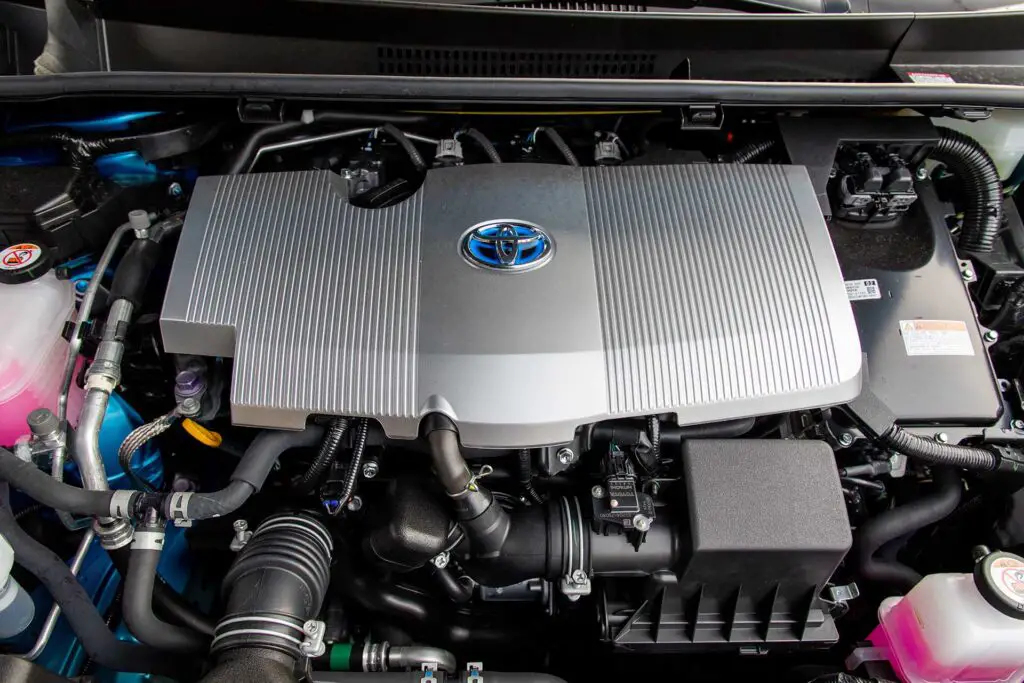
Infotainment & Safety – More Gadgets, More Problems?
Cars used to be so simple. A key, a steering wheel, and maybe – if you’re lucky – a cassette player that ate your favorite mixtape. Now? Screens everywhere, voice assistants that misunderstand everything, and safety systems that beep at you more than an annoyed passenger.
While modern tech makes driving more convenient and safe, it also introduces more potential failure points. Honda and Toyota have both embraced high-tech infotainment and advanced driver-assistance features, but has this made them less reliable? Not really! Both automakers have steadily improved their tech without sacrificing reliability, and that’s definitely something to celebrate.
Resale Value – Which One Holds Its Worth Like a Fine Wine?
When it comes to cars aging gracefully, Toyota often takes the crown. According to Kelley Blue Book, Toyota’s vehicles, including hybrids and the rugged Tundra pickup, are expected to retain over 46% of their original value after five years.
Honda isn’t far behind, consistently ranking in the top five for value retention, with models like the famous CR-V holding their worth admirably over time. So, no matter which brand you choose, you’re investing in a vehicle that ages more like a fine wine than a forgotten carton of milk.
What Buyers Look for in a Reliable Ride
When hunting for a reliable used car, buyers often scrutinize every detail to ensure they’re not investing in a lemon. Fuel efficiency and safety top the checklist, as well as expected reliability, as it directly impacts maintenance costs and peace of mind. Other crucial aspects include the vehicle’s quality, operating costs, and practicality for the buyer’s lifestyle. All in all, they’re looking for a dependable, economical vehicle, one that’s always there when you need it.
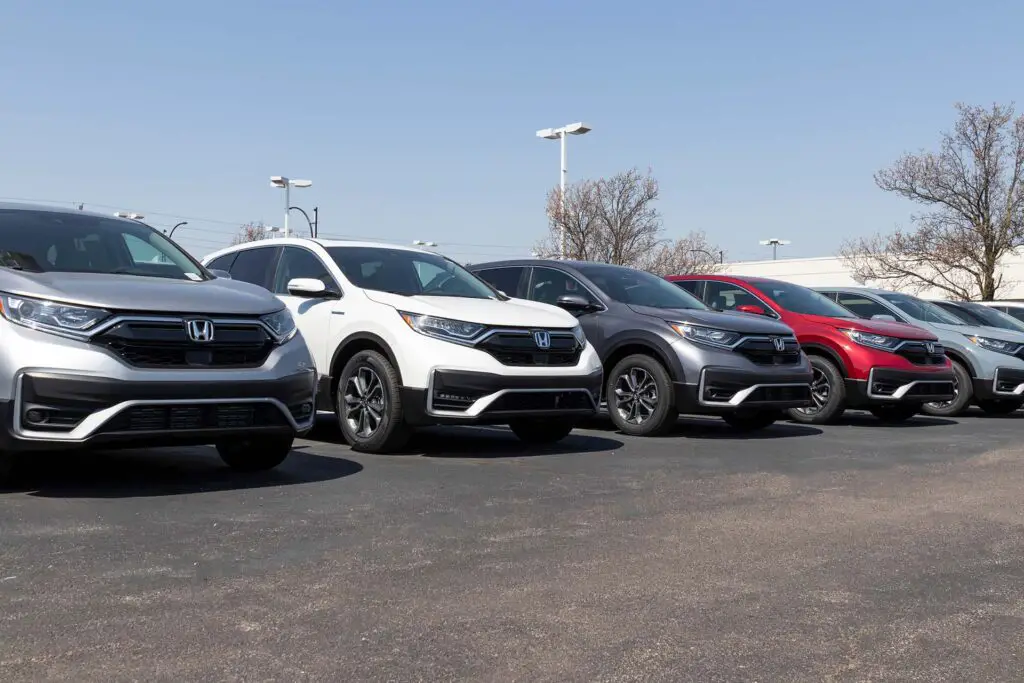
Popular Models – The Best of Each Brand
Not all cars are created equal – even when they come from the most reliable brands on the planet. Both brands have produced legendary models that refuse to quit, but let’s be real, they’ve also had a few misfires (looking at you, Honda Crosstour). However, we like to keep things positive here, so let’s break down the best of the best from each brand.
Honda’s Hall of Fame – Civic, Accord, and the New Kids
Honda has a way of creating cars that become instant classics. Whether it’s a fuel-efficient city car, a sporty coupe, or an SUV that lasts through multiple owners, Honda’s lineup has something for everyone. Here are some of the MVPs:
- Civic – when it comes to affordability and efficiency, you can’t go wrong with the iconic Civic,
- Accord – the Civic’s more grown-up sibling, offering a smooth ride, plenty of tech, and near-luxury comfort,
- CR-V – if being a small SUV but somehow fitting everything had an award, the trusty CR-V would win it every time,
- Pilot – a family hauler that’s spacious, practical, and still fun to drive,
- Ridgeline – a pickup for people who want truck utility combined with ultimate comfort.
Toyota’s Heavyweights – Corolla, Camry, and the Everlasting Tacoma
Some of Toyota’s models have been around for so long that multiple generations of drivers have owned them – and they still refuse to break down. Here’s a look at Toyota’s top-tier lineup:
- Corolla – the notorious Corolla is simple, reliable, and perfect for anyone who hates car trouble,
- Camry – the midsize Camry sedan is the go-to for drivers who want comfort, efficiency, and a little more power
- RAV4 – the best-selling SUV in the US for a few reasons, including reliability, space, and great fuel efficiency,
- Tacoma – the Tacoma truck is famous for outliving its owners, so don’t be surprised if you see one from the ’90s,
- 4Runner – a rugged, off-road driving beast that refuses to go out of style.
As you can clearly see, both lineups have stood the test of time for their mix of efficiency, practicality, and sheer longevity. Whether it’s a trusty Civic from the early 2000s or a brand-new Highlander, these cars just keep going. How inspirational!
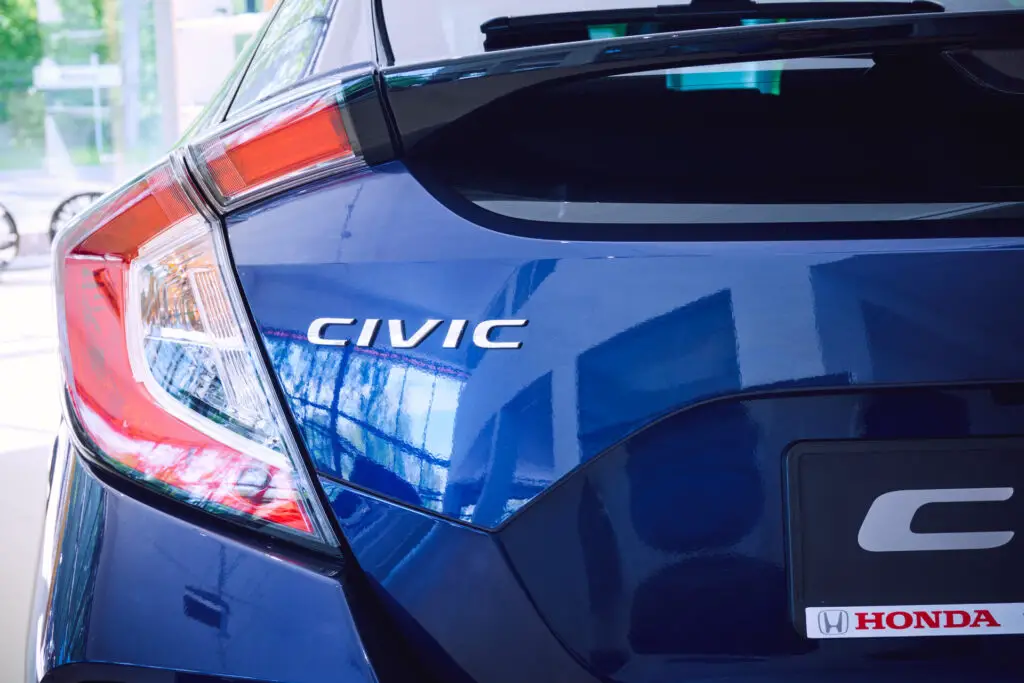
Honda Reliability vs. Toyota Trustworthiness – The Final Verdict
So, after all the stats, stories, and side-by-side comparisons, what’s the final verdict? Well… it depends. If you want a car that’s fun, efficient, and rev-happy, Honda’s got your back. If you prefer something that will outlive your houseplants, your phone, and possibly even you, Toyota is the way to go. Either way, you’re getting a ride that’ll probably last long enough for your grandkids to borrow!
Frequently Asked Questions
Are Honda or Toyota Hybrid Models More Reliable?
Both brands make incredibly reliable hybrids, but Toyota has the edge thanks to its pioneering hybrid technology with the Prius, which has proven itself over decades. Toyota’s hybrid battery longevity and efficiency are some of the best in the industry.
Which Brand Has Lower Insurance Costs, Honda or Toyota?
In general, Toyota’s vehicles tend to have slightly lower insurance costs than Honda’s models. This is largely due to their top-tier safety ratings, lower repair costs, and strong resale values. However, insurance costs also depend on the specific model, driver history, and location.
Do Honda or Toyota Engines Last Longer With Minimal Maintenance?
Toyota’s engines are known for lasting longer, even with less-than-perfect maintenance. Many models, especially those with the 2.5L four-cylinder or 4.0L V6 engines, have been reported to reach 300,000+ miles with basic upkeep. Honda engines are also built to last, but they may require more regular maintenance, especially when it comes to timing belts and transmission fluid changes.
Are Toyota Interiors More Durable Than Honda’s?
Toyota generally leans toward function over flash, which means their interiors are often more durable and designed to withstand wear and tear. Honda interiors, on the other hand, tend to be more stylish and modern but can sometimes use softer materials that show wear faster.
Which Brand Has Better All-Wheel Drive and Off-Road Capability?
If off-road adventures are the goal, Toyota wins hands down. With legendary models like the 4Runner, Tacoma, and Land Cruiser, Toyota has built its reputation on rugged, go-anywhere capability.