In the auto world, there’s one rivalry as old as the open road – which is better, Ford or Chevy? That question has divided families, friendships, and maybe even a few marriages. With both brands constantly pushing the limits of power, performance, and innovation, choosing a winner isn’t easy. So, who really takes the crown in 2025? Let’s break it all down.
If you’re looking for a quick answer, the better option depends on what you need. Ford dominates in innovation and workhorse trucks, while Chevy boasts legendary reliability and classic muscle four-wheelers. Both brands have strengths, but which one truly fits your lifestyle? That’s where things get interesting – let’s get into it.
Ford vs. Chevy It’s a Feud Older Than Your Dad’s First Truck
The rivalry between Ford and Chevrolet is as American as apple pie – if apple pie came with horsepower and torque. It all started in the early 20th century when Henry Ford’s Model T put this country on wheels. Not to be outdone, Chevrolet fired back in 1911, aiming to offer vehicles that combined style and affordability.
This back-and-forth sparked a competition that has fueled vehicle evolution and passion for over a century. From the muscle car battles of the 1960s to the truck wars that continue today, this feud has shaped the automotive landscape in ways few rivalries have.
Fast forward to today, and the numbers tell a story of enduring loyalty. As of 2024, General Motors, Chevrolet’s parent company, holds approximately 16.5% of the US auto market, which is quite a chunk. Ford also commands a significant presence with 13% of vehicles along the famous US routes. With such large numbers, it’s only natural to have a deep-seated cultural divide – you’re either a Ford person or a Chevy person, and rarely both.
The Real Battleground – Which Truck Is Better, Ford or Chevy?
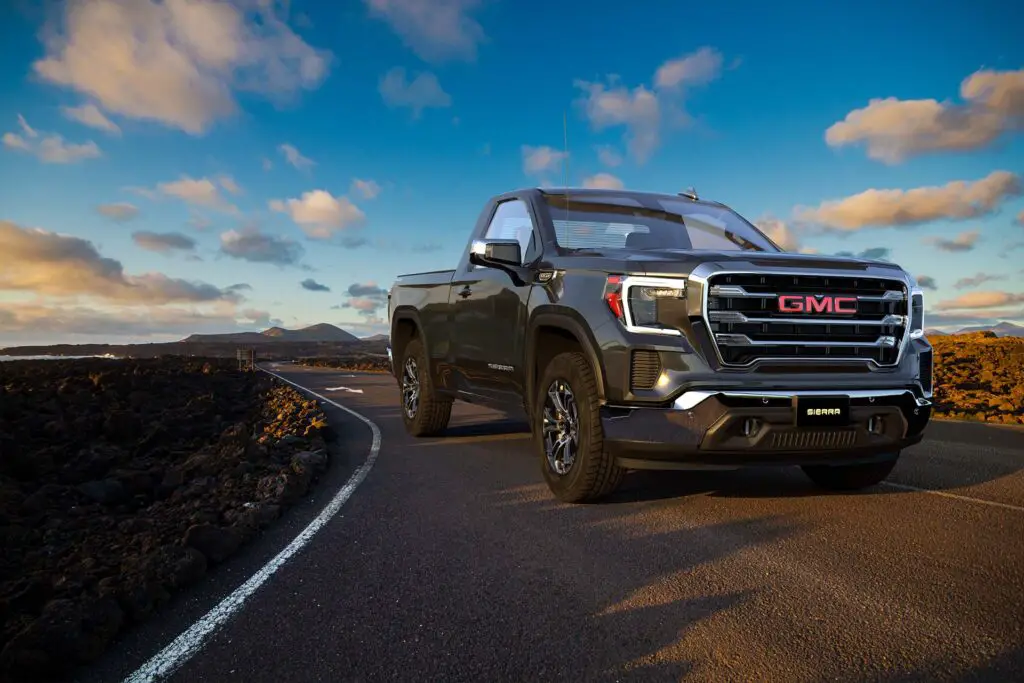
The Ford F-Series, especially the F-150, has been America’s best-selling truck for over 40 years, earning a reputation for toughness and innovation. On the flip side, the Chevrolet Silverado has carved its own legacy, known for reliability and that classic Chevy charm. Here’s a quick overview of these iconic models:
| F-150 | Silverado 1500 | |
| Starting MSRP | $31,500 | $36,000 |
| Engine options | 3.3L V6, 2.7L EcoBoost V6, 5.0L V8, 3.5L EcoBoost V6, 3.5L PowerBoost Hybrid V6 | 2.7L Turbo I4, 5.3L V8, 6.2L V8, 3.0L Duramax Diesel I6 |
| Transmission | 10-speed automatic | 8-speed or 10-speed automatic |
| Fuel Economy | Up to 25/25 MPG (hybrid) | Up to 23/31 MPG (diesel) |
Towing, Hauling, and Doing Truck Stuff – Who Wins?
The F-150 flexes its muscles with a maximum towing capacity of up to 14,000 pounds, thanks to its robust engine lineup. On the other hand, the Silverado isn’t far behind, capable of towing up to 13,300 pounds with its 6.2L V8 or 3.0L Duramax diesel engine. All in all, both trucks have you covered, but the F-150 might let you bring just a little more.
Muscle Cars – Speed, Power, and Loud Exhausts
Both of these brands may be locked in a never-ending truck war, but their battle doesn’t stop at hauling lumber and towing trailers. They are also responsible for some of the most legendary muscle cars to ever shake the pavement. But which one truly owns the streets?
Mustang vs. Camaro – Who Owns the Streets?
The Ford Mustang and Chevy Camaro have been rivals for over half a century, constantly one-upping each other with bigger engines and better handling. In 2025, the Mustang keeps its classic charm but also handles corners better than ever, while the Camaro leans harder into aggressive styling and track-ready performance. Both are fast, both are loud, and both will absolutely destroy your rear tires if given the chance.
The Future of Muscle – EVs, Hybrids, and What’s Next
Love it or hate it, with emission regulations tightening and electric vehicles becoming the new performance kings, both of these iconic automakers have had to rethink what makes a muscle car…muscular. The Mustang Mach-E – a fully electric SUV – already exists, while Chevy has hinted at an electric Camaro reboot in the near future.
But don’t count gas-powered muscle out just yet. Ford is still pushing V8s in the 2025 Mustang, and rumors of a hybrid performance model are swirling. Chevy, on the other hand, has kept its Camaro future under wraps, but it’s clear both brands are looking toward electrification. One thing’s for sure – speed will never go out of style.

Reliability & Maintenance – Who Stays Out of the Repair Shop Longer?
When it comes to reliability, both brands have their strengths, but recent data suggests that Chevy has been edging out its competitor in this race. Chevrolet has focused on improving build quality and technology integration, leading to higher reliability ratings in recent years.
On the other hand, Ford has made significant improvements but has experienced fluctuations in reliability, with some models exhibiting issues such as transmission problems and infotainment glitches.
Maintenance Costs – Which Brand Is Nicer to Your Wallet?
Keeping a four-wheeler running smoothly isn’t just about reliability – it’s also about how much it costs to keep it out of the shop. Here’s a breakdown of some common maintenance costs:
| Service type | F-150 | Silverado 1500 |
| Oil change | $80 – $130 | $75 – $120 |
| Brake pad replacement | $250 – $400 | $200 – $350 |
| Transmission fluid change | $500 – $800 | $300 – $450 |
| Spark plug replacement | $250 – $400 | $200 – $350 |
Resale Value – Who Holds Their Worth Like a Classic Car?
When it comes to holding their value, both brands have their shining stars, but the specifics can vary depending on the model. For instance, the 2023 Chevrolet Silverado HD is one of the top contenders in the truck segment. On the other hand, the F-150 has been noted for its strong resale performance, often attributed to its enduring popularity and reliability.
In the end, whether you’re team Ford or Chevy, both brands offer vehicles that can hold their worth admirably, much like a fine wine – or that vintage concert T-shirt you refuse to throw away. It’s good news for anyone looking to buy a used car or sell their own.

Infotainment & Comfort – Screens, Seats, and Fancy Buttons
Once upon a time, a car’s only luxury feature was a good AM radio. Fast forward to 2025, and even trucks now come loaded with massive touchscreens, premium sound systems, and enough tech to make a spaceship jealous.
Ford’s SYNC 4 system offers a slick 12-inch touchscreen, wireless Apple CarPlay, and an intuitive interface, while Chevy’s Infotainment 3 system keeps things simple yet functional, with Google Built-In and responsive voice commands.
When it comes to comfort, Ford has a slight edge with its Max Recline Seats, perfect for a nap between job site runs. Chevy, on the other hand, packs in upscale interior materials on higher trims, making the Silverado feel surprisingly luxurious. All in all, both brands deliver plenty of reasons to never leave your truck.
Safety Features – Which One Beeps at You More?
From lane departure warnings to automatic emergency braking, both brands have packed their trucks with safety tech. Ford’s Co-Pilot360 suite offers features like adaptive cruise control and evasive steering assist, while Chevy’s Safety Assist includes automatic emergency braking, lane-keep assist, and front pedestrian braking. Both do a solid job of keeping you safe, but Ford’s extra driver-assist tech might take the cake.
The Best (And Worst) Models of Each Brand
Not all vehicles roll off the assembly line destined for greatness. Both of these brands have produced models that became legends, as well as a few they’d probably prefer to forget. We like to keep things positive, though, so let’s take a lighthearted journey through some of their most iconic hits.
Ford’s Hall of Fame – The Legends That Keep Selling
Ford has a storied history of producing vehicles that not only define eras but also set benchmarks in the automotive industry. Here are some of the standout models that have cemented the legacy of this iconic automaker:
- Model T – the ride that put America on wheels, making car ownership accessible to the masses,
- Mustang – the quintessential pony four-wheeler that introduced affordable performance and style in the 1960s,
- F-150 – part of the F-Series, this truck has been one of the best-selling vehicles in America for decades now,
- Escort – a compact four-wheeler that became a global bestseller, offering reliability and economy,
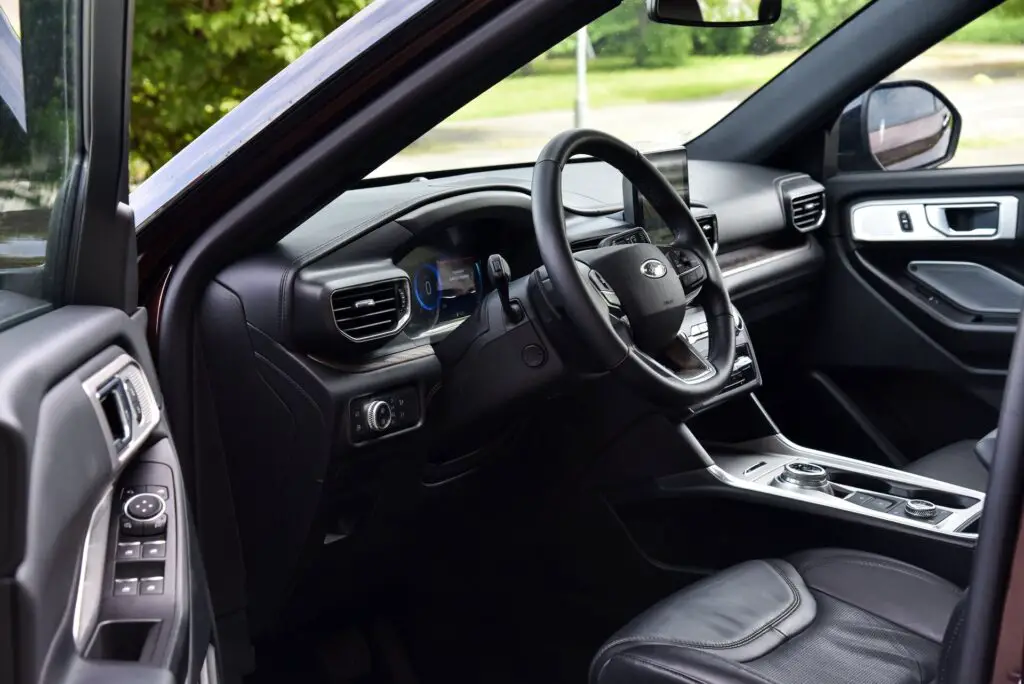
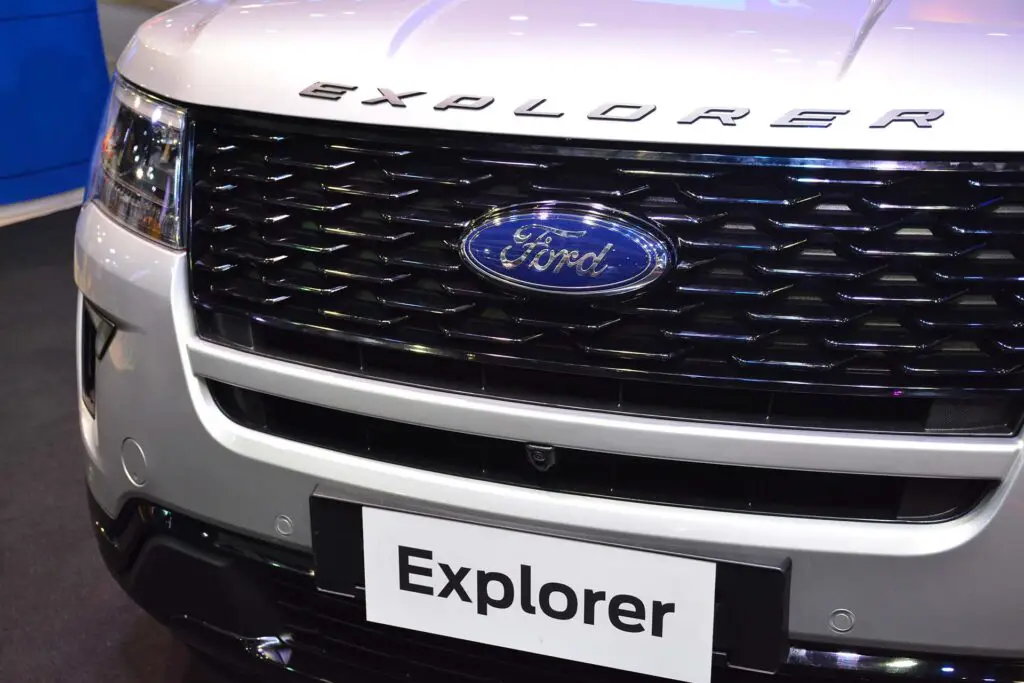
- Explorer – one of the pioneers of the SUV craze, the iconic Explorer blends utility with comfort.
Chevy’s Greatest Hits – The Cars and Trucks People Love
Chevrolet’s lineup boasts a variety of models that have captured the hearts of drivers and become cultural icons. Here are some of the most beloved:
- Camaro – a muscle car icon that has been a staple of American performance since the 1960s,
- Silverado – a full-size pickup known for its rugged capability and loyal following,
- Corvette – America’s most iconic sports car, offering high-end performance and style
- Impala – a classic sedan that combines comfort with performance, popular across generations,
- Suburban – one of the original full-size SUVs, known for its spaciousness and power.
In the end, both Ford and Chevrolet have rich histories filled with triumphs and a few tribulations. These models, both celebrated and criticized, have shaped the automotive landscape and consumer perceptions over the years more than other brands out there, and that’s no small feat.
Which Is Better, Ford or Chevy Trucks? The Final Verdict
In the end, deciding between a Ford and a Chevy is like choosing between two of your favorite pizza toppings – each has its own irresistible charm. Ford might win points for innovative tech and a storied legacy, while Chevy scores high on reliability and that classic American vibe.
Ultimately, whether your heart races for the F-150 or the Silverado, both trucks promise a ride that’s as tough as your granddad’s old pickup and as fun as a tailgate party. In this truck showdown, everyone’s a winner!