
Summer heat can do more than make your drive uncomfortable. It can strain your battery, cooling system, tires, fluids, and air conditioning, especially during prolonged heat waves. Understanding how extreme heat affects your car helps you spot warning signs early, prevent avoidable damage, and reduce the risk of being stranded when temperatures climb and your vehicle is working its hardest.
Why Is Extreme Heat Hard on Your Car?
A car already produces a significant amount of heat while running. When outside temperatures rise, its cooling system must work harder to keep the engine and other components within a safe operating range. Heat can accelerate the deterioration of rubber, plastic, seals, and electrical components. Fluids may break down faster, tire pressure can increase, and the air-conditioning system must use more energy to cool the cabin.
Extreme Heat Can Weaken Your Car Battery
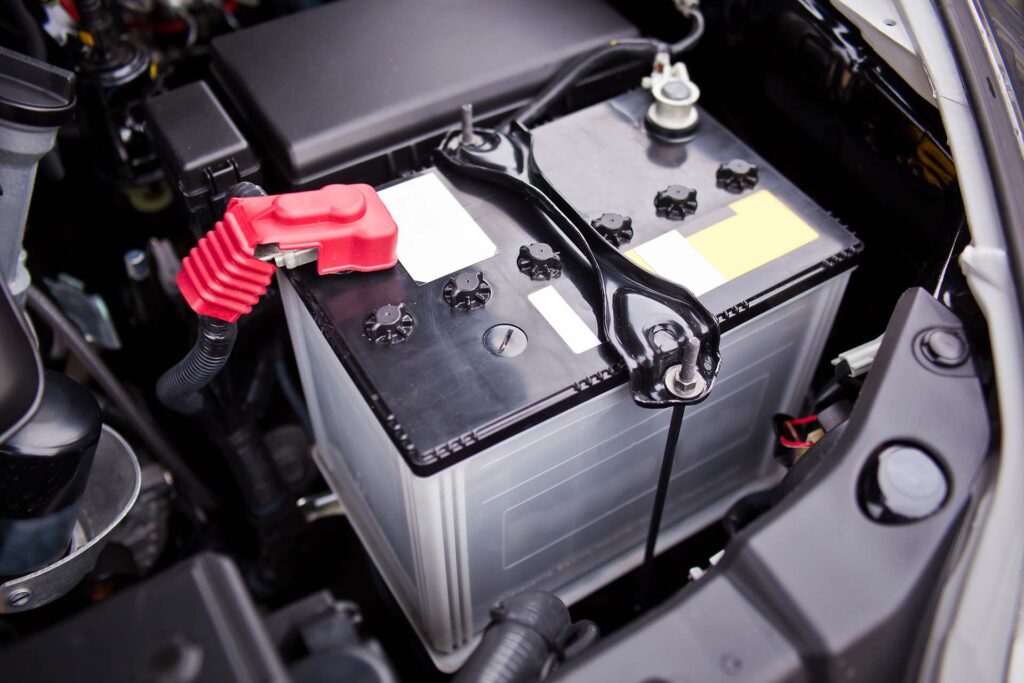
Cold weather often gets blamed for battery problems, but high temperatures can be equally damaging. Heat speeds up the chemical reactions inside a car battery, which may temporarily help it produce power but can also accelerate internal wear.
In traditional lead-acid batteries, extreme heat can contribute to fluid loss and corrosion around the terminals. Over time, this damage reduces the battery’s ability to hold a charge and supply enough power to start the engine. Drivers may notice slower cranking, dim lights, electrical problems, or difficulty starting the vehicle. Battery trouble can be especially frustrating because there may be few obvious warning signs before the battery fails.
Your Engine Is More Likely to Overheat
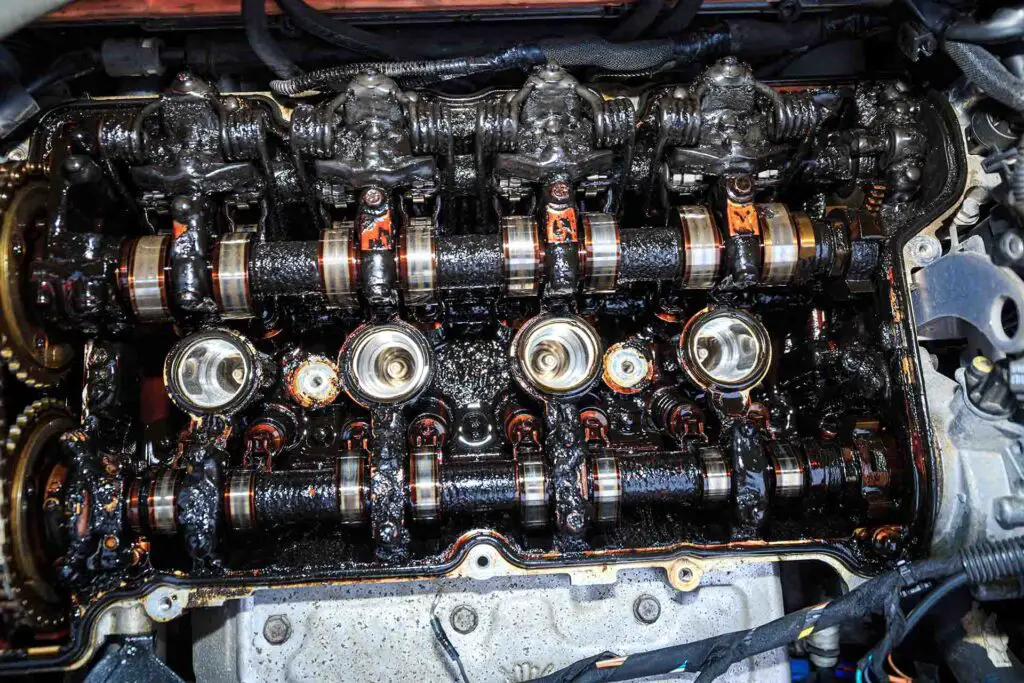
Extreme heat makes it harder to regulate engine temperature. The engine already creates intense heat during normal operation, so high outdoor temperatures add another layer of stress. If coolant is low, a hose is damaged, or a cooling component is beginning to fail, a heat wave can quickly expose the problem.
The cooling system relies on coolant, the radiator, thermostat, water pump, hoses, and fans working together. A fault in any of these parts can prevent heat from leaving the engine efficiently. Common warning signs include a rising temperature gauge, an illuminated coolant warning light, steam coming from under the hood, reduced engine performance, or a sweet smell caused by leaking coolant.
What Should You Do If Your Car Starts Overheating?
Turn off the air conditioning as soon as you notice the temperature gauge rising. The AC places an additional load on the engine, so switching it off may reduce some of the strain. Turn on the heater only if you need a brief measure to help draw heat away from the engine while reaching a safe place to stop.
Pull over safely, shut off the engine, and allow the vehicle to cool. Do not open the radiator cap while the engine is hot because the pressurized coolant can cause serious burns.
Heat Changes Tire Pressure and Increases Tire Stress
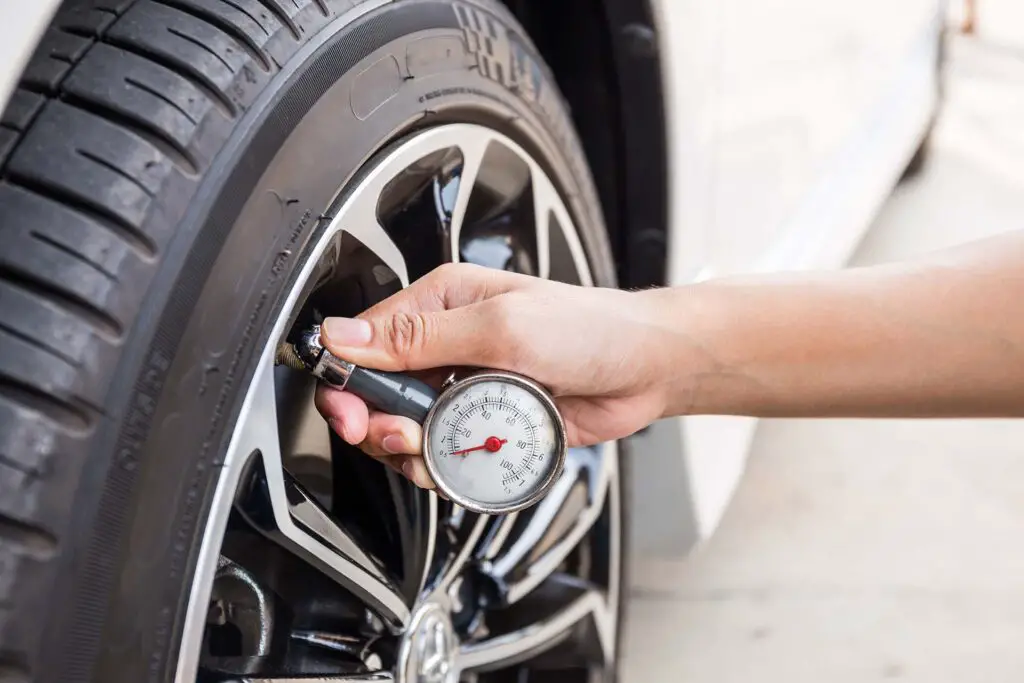
Hot weather causes the air inside your tires to expand, which can raise tire pressure. At the same time, driving on hot pavement increases tire temperature even further. Check tire pressure when the tires are cold and follow the recommendation on the driver-side door label or in the owner’s manual.
Should You Lower Tire Pressure During Hot Weather?
No. Do not release air simply because the tires feel hot or the pressure has increased after driving. Tire pressure should be checked when the tires are cold and adjusted to the manufacturer’s recommendation.
Automotive Fluids Face More Stress
High temperatures can speed up fluid deterioration, worsen leaks, and make low fluid levels more dangerous. Check fluid levels regularly and watch for puddles, warning lights, unusual smells, or changes in performance. Never open the coolant reservoir or radiator cap while the engine is hot.
Your Air Conditioner Has to Work Harder
During extreme heat, your air conditioner must work harder to cool the cabin. This places more demand on the compressor, cooling fans, and electrical system. Weak airflow, warm air, unusual noises, or unpleasant smells can signal a problem. Low refrigerant, a clogged cabin air filter, or a failing compressor may become more noticeable during a heat wave. Having the AC system checked before temperatures peak can prevent an uncomfortable drive and reduce extra strain on the vehicle.
Extreme Heat Also Affects Electric Vehicles
Electric vehicles use energy to cool both the cabin and the battery. During extreme heat, this additional demand may temporarily reduce driving range. The battery management system may also slow charging or adjust performance to keep the battery at a safe temperature. These changes are usually protective rather than signs of damage.
Warning Signs Your Car Is Struggling in the Heat
Extreme heat can expose problems that may not be obvious during milder weather. Watch for:
- A rising temperature gauge
- Coolant or battery warning lights
- Steam coming from under the hood
- Slow engine cranking
- Weak air-conditioning performance
- Visible fluid leaks
- Unusual smells
- Tire-pressure warnings
- Squealing belts
- Reduced engine power
Stop driving if the engine overheats, produces steam, or loses a large amount of fluid. Continuing to drive could cause serious damage.
What to Do Now That You Know How Extreme Heat Affects Your Car
Start by checking the parts that face the most strain. Inspect the coolant level, battery, tires, belts, hoses, fluids, and air-conditioning system. Check tire pressure when the tires are cold and follow the manufacturer’s recommended settings. Look beneath the vehicle for leaks and pay attention to warning lights or changes in performance. Knowing how extreme heat affects your car makes it easier to prevent breakdowns, protect important components, and drive with greater confidence throughout the summer.