Some roads are paved with stress. Across the country, certain cities have earned a reputation for being the absolute worst places to drive in the US. From slow traffic to streets that seem like obstacle courses, let’s dive into the chaos and uncover some notorious cities that have tested even the calmest drivers.
Some Roads Were Just Made to Test Your Patience
There are roads that feel like butter under your wheels. Wide lanes, perfect pavement, synchronized traffic lights, and exits that actually make sense. People use turn signals. Merging is polite. You might even find parking on the first try. These places exist, and they’re as easy to find as reasonably priced avocados.
But then there are the others. The cities where driving is more of a sport – complete with unexpected plot twists, emotional damage, and the occasional pothole that looks like it was left over from the moon landing. To top it all off, they’re filled with the worst drivers imaginable – what a treat, right?
Traffic Jams, Terrible Drivers, and Other Nightmares on Wheels
So, what makes these cities so infuriating to drive in? A glorious combo of too many cars, not enough space, road designs drawn by what seems like a toddler with a crayon, and drivers who treat speed limits like optional reading.
Mix in crumbling infrastructure, endless construction zones, and confusing signage, and you’ve got yourself a recipe for daily chaos. Let’s take a look at some of these places that will make you wish you never got out of the house in the first place.
Los Angeles, California is Topping Every List of the Worst Places to Drive in the US
At the top of our list is Los Angeles, a city that’s practically synonymous with traffic jams. According to the TomTom Traffic Index, the average LA commuter spent a staggering 157 hours driving in 2024, with 86 of those hours lost to congestion. That’s over three and a half days of quality time with brake lights and bumper stickers!
The city’s sprawling layout and car-centric culture mean that public transportation options are limited, making driving a necessity for many. The infamous I-405 and I-10 freeways often resemble parking lots more than expressways, especially during rush hour. Despite efforts to improve traffic flow, such as expanding public transit and implementing carpool lanes, LA’s traffic woes persist, leaving drivers dreaming of teleportation.
New York City, New York Makes You Wonder Should You Drive Car In This Economy?
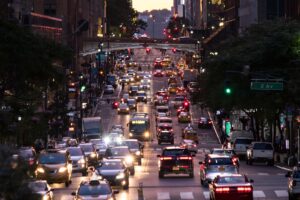
Driving in the Big Apple is not for the faint of heart. In 2024, New York City was crowned the slowest-moving city in the US, with an average travel time of 31 minutes to cover just 10 kilometers. That’s a leisurely pace of about 12 miles per hour – slightly faster than a jog.
The city’s dense population, constant construction, and a labyrinth of one-way streets contribute to the chaos. Add to that the challenge of finding parking, and it’s no wonder many New Yorkers opt for the subway or a good pair of walking shoes. With the implementation of congestion pricing in early 2025, aimed at reducing traffic in Manhattan, drivers now face additional fees, making the prospect of driving even less appealing.
San Francisco, California is All About Hills, Chaos, and No Parking… Ever
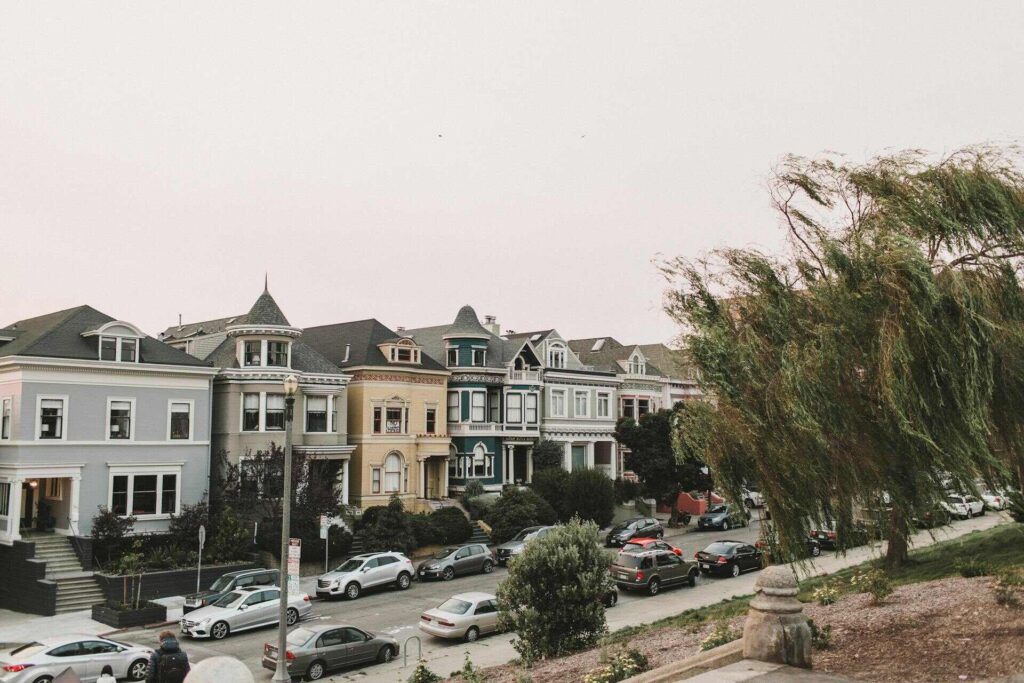
San Francisco’s iconic hills and scenic vistas come at a cost to drivers. The city’s congestion level stood at 32% in 2024, marking a 6% increase from the previous year. Navigating the steep inclines requires a delicate balance of gas and brake pedals, and parking is often a game of luck and perseverance.
The city’s compact layout and high population density mean that streets are often clogged, and parking spaces are as elusive as a fog-free day. Despite a robust public transportation system, many residents still rely on their rides, adding to the congestion. It’s a beautiful place to call home, but it comes with its fair share of red flags.
Boston, Massachusetts is Where Lanes Are Optional and Turn Signals Go to Die
Boston’s historic charm is matched only by its notoriously confusing roadways. In 2024, drivers here lost an average of 79 hours to traffic congestion, costing approximately $1,414 per driver. The city’s colonial-era street layout, with its winding, narrow roads, often leaves drivers feeling like they’re navigating a maze designed by a mischievous architect.
The lack of a traditional grid system means that lanes can suddenly disappear, and one-way streets abound. Coupled with aggressive driving habits and a penchant for ignoring responsibilities, Boston’s roads can be a test of both skill and patience. While traffic has improved slightly, the city still ranks fourth worst in the US for congestion, ensuring that drivers remain well-acquainted with their brake pedals.
Washington D.C. is Where Political Gridlock Meets Literal Gridlock
The nation’s capital is no stranger to gridlock, both in Congress and on the roads. In 2024, D.C. drivers lost an average of 62 hours to traffic congestion, placing it among the top ten most congested cities in the country. The city’s unique design, with its numerous roundabouts and diagonal avenues, can be as perplexing as a filibuster.
Tourist attractions and government buildings draw millions of visitors annually, adding to the traffic woes. Security measures and frequent motorcades can lead to unexpected road closures, turning a simple commute into an unpredictable adventure. Despite efforts to promote public transportation, many residents and visitors still rely on family cars, ensuring that D.C.’s roads remain a hotbed of congestion.
Chicago, Illinois Brings Cold Weather and Hot Tempers Behind the Wheel
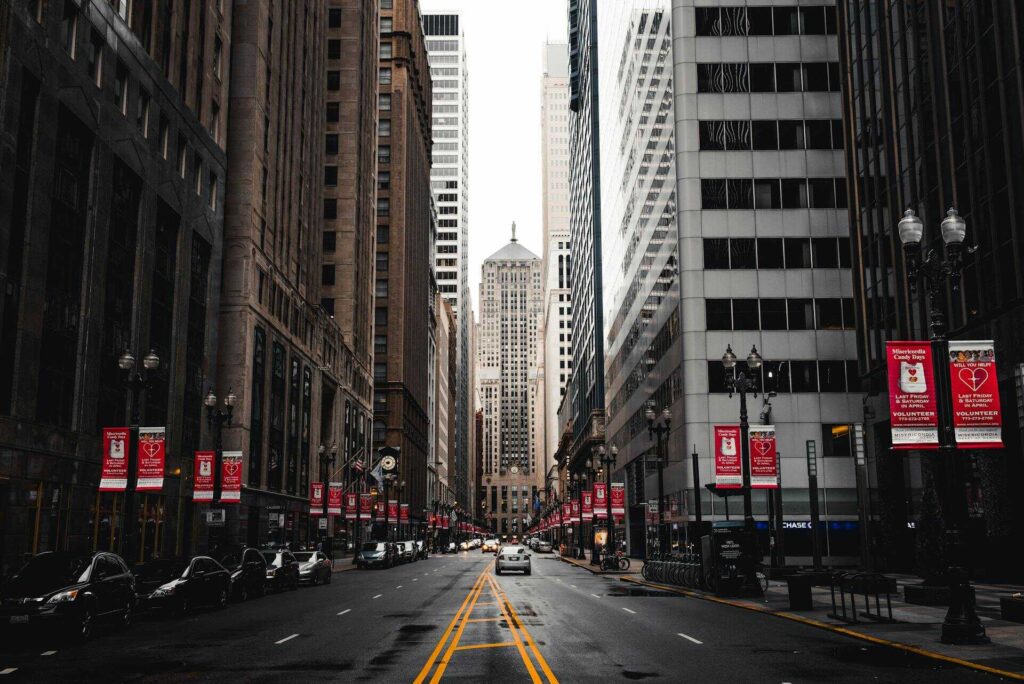
The Windy City is infamous for its traffic snarls. In 2024, Chicago tied with New York for the worst traffic congestion in the US, with commuters losing about 102 hours annually to traffic delays. Just think about what you could do with all that time!
Harsh winters exacerbate the situation, as snow and ice lead to accidents and slower travel times. The combination of aggressive driving and frequent construction projects means that navigating Chicago’s roads requires both patience and vigilance. Despite the city’s robust public transit system, many residents still find themselves at the mercy of the city’s congested roadways.
Miami, Florida is a Place Where Speed Limits Are Suggestions, Apparently
Miami’s vibrant culture extends to its roads, where driving can feel like a high-stakes game. In 2024, Miami drivers lost an average of 74 hours to traffic congestion, costing each driver approximately $1,325 in lost time and productivity. This places Miami as the sixth most congested city in the US.
The city’s unique blend of aggressive driving styles and a diverse mix of vehicles creates a challenging environment for commuters. Miami’s US-1 corridor, particularly the stretch between I-95 and SW 42nd Street, ranks as the 22nd busiest in the nation, and that’s no small feat. Despite efforts to improve public transportation, many residents still rely on personal vehicles, contributing to the city’s notorious traffic jams.
Atlanta, Georgia is Where Rush Hour Lasts All Day
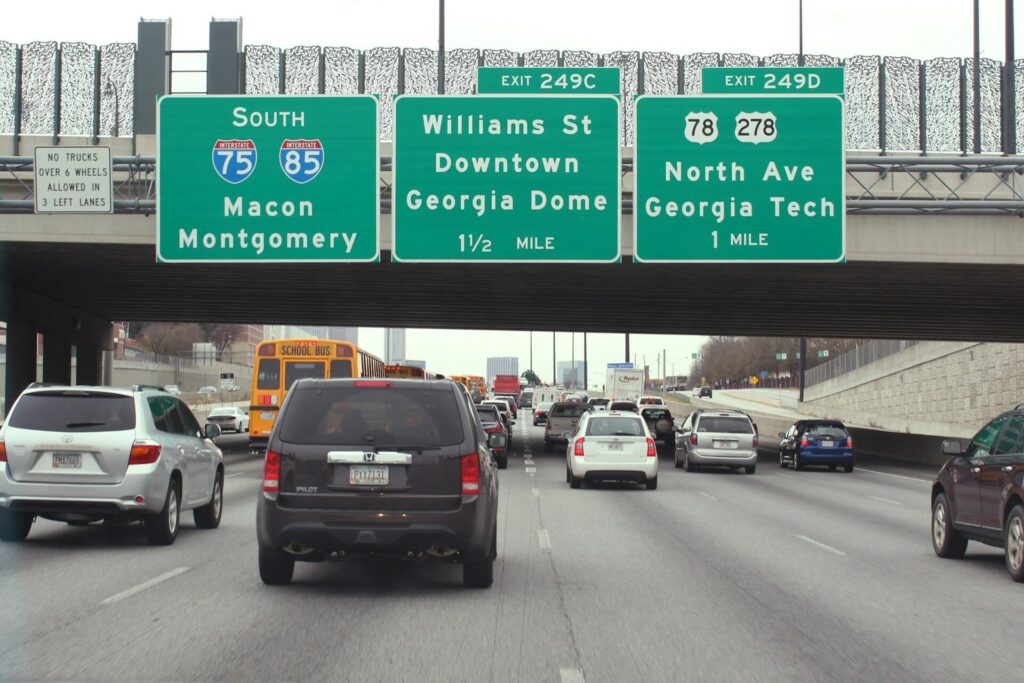
Atlanta’s sprawling metropolitan area and heavy reliance on automobiles have led to significant traffic challenges. In 2024, drivers in Atlanta lost an average of 65 hours to congestion, resulting in a per-driver cost of $1,164. The city’s notorious Spaghetti Junction, where multiple highways converge, is a frequent bottleneck, making commuting a test of patience.
The rapid population growth in the region has outpaced infrastructure development, leading to increased demand on the existing roadways. Efforts to expand public transit options have been met with mixed success, leaving many residents dependent on their cars. As a result, rush hour in Atlanta often extends beyond the typical morning and evening peaks, making traffic a nearly constant companion for drivers.
Philadelphia, Pennsylvania is a Pothole Capital With a Side of Road Rage
Philadelphia’s aging infrastructure and dense urban layout contribute to its challenging driving conditions. In 2024, drivers in the city lost an average of 77 hours to traffic congestion, costing each approximately $1,378. The city’s narrow streets and frequent construction projects exacerbate the problem, leading to frequent bottlenecks.
Potholes are a notorious issue in Philadelphia, with the freeze-thaw cycle of the region’s climate causing significant road damage. These road conditions, combined with a reputation for aggressive driving behaviors, make navigating the city a daunting task for even the most seasoned drivers.
Seattle, Washington Brings Rain, Traffic, and Endless Construction Zones
Seattle’s picturesque landscapes come with the trade-off of challenging driving conditions. In 2024, drivers in the city lost an average of 63 hours to congestion, resulting in a per-driver cost of $1,128. The city’s hilly terrain and frequent rainfall contribute to slower travel times and increased accident rates.
Ongoing construction projects aimed at accommodating the city’s rapid growth often lead to lane closures and detours, further complicating commutes. While Seattle boasts a robust public transportation system, many residents still rely on personal vehicles, adding to the congestion. The combination of weather, topography, and infrastructure projects makes driving in Seattle a complex endeavor.
Tips to Survive Driving in These Urban Jungles
If you ever find yourself stuck in one of these concrete mazes of chaos, don’t panic – there is a way out (eventually). Sure, your GPS might lie, your ETA will definitely be wrong, and you’ll question your life choices more than once. But with the right mindset (and maybe a good playlist), you can make it through the madness with your sanity mostly intact. Here are some tried-and-true survival tips for tackling this adventure:
- If you can leave 30 minutes earlier or later to avoid rush hour, do it,
- Use a real-time traffic app like Google Maps or Waze,
- Use public transit whenever you can because it’s cheaper and faster,
- Invest in a comfy seat cushion to save your back,
- Bring snacks and hydration so you can stay comfortable.
Exit Here for Sanity (If You Can Find the Exit)
Driving in some places feels less like a commute and more like a slow-moving test of emotional endurance. Between potholes, puzzling road layouts, and people who think blinkers are optional, it’s a miracle anyone gets anywhere at all. But hey, with a little patience, a solid playlist, and maybe a neck pillow, you can survive the chaos – maybe even laugh about it someday.