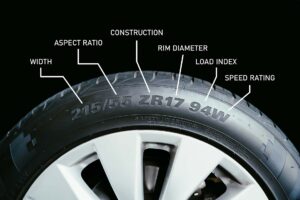
Wheels have a secret language. A mix of numbers, letters, and slashes wrapped around the sidewall like some kind of automotive barcode. But of course, this isn’t just random gibberish. Learning how to read tire size is crucial for finding the perfect fit for your ride. Our guide will make sense of it all, minus the headache.
Wait… There Are Numbers on My Tires?
Yep, right there on the sidewall, hiding in plain sight – a string of numbers and letters. No, it’s not a Wi-Fi password for your ride. This little sequence holds everything you need to know about your tire’s size, shape, and capabilities.
This number tells you how wide it is, how tall the sidewall stands, and even what kind of speeds it can handle. But before we start decoding, why would you need to learn how to read the tire size in the first place? Is it even a driver’s responsibility?
Why Bother Learning How to Read Your Tire Size?
It’s like your shoe size – you could wing it and try guessing, but you probably shouldn’t. The right set of wheels affects everything from handling and comfort to fuel efficiency and safety. If you pick the wrong one, you might end up with poor performance and inaccurate speedometer readings. Plus, knowing this stuff means no more blank stares when your mechanic asks which measurements you need.
What Do Those Numbers Even Mean?
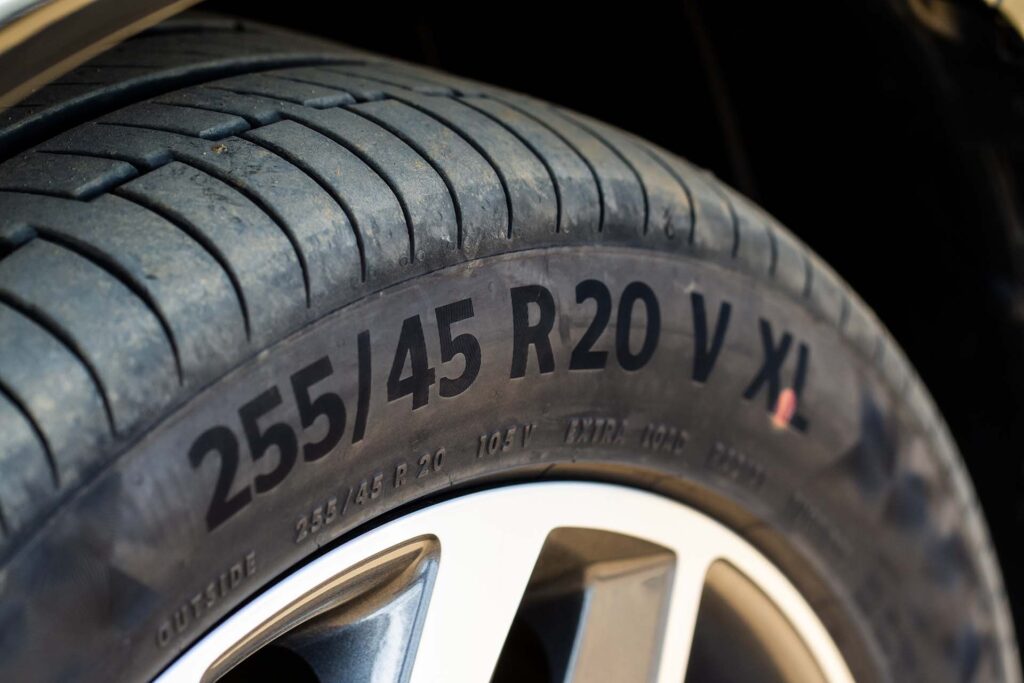
Alright, time to crack the code. Let’s take 225/50R17 94V as an example. Each part of this sequence tells you something important. We’re going to break it down, piece by piece, so by the end, you’ll know how to read metric tire size. Here are the details:
The First Number is Width
The first number in our example, 225, is the tire’s width in millimetres. That means it’s 225mm wide from side to side when properly inflated, which translates to around 9 inches. Think of it as your tire’s footprint – wider tires mean more contact with the road, which can improve grip and handling.
However, bigger isn’t always better. Too wide, and you might have clearance issues or extra rolling resistance, which can hurt fuel efficiency. Your gas mileage might just leave a lot to be desired. So yeah, width matters – but only the right width for your ride.
The Second Number is Aspect Ratio
Next up, we have 50, which is the aspect ratio. This tells us how tall the tire’s sidewall is as a percentage of its width. In this case, the sidewall height is 50% of 225mm, which means 112.5mm or somewhere around 4.5 inches.
The aspect ratio affects how the four-wheeler handles and rides. Lower numbers (like 40 or 45) mean shorter sidewalls, which give a sportier, firmer ride. Higher numbers (like 60 or 70) mean taller sidewalls, which absorb more bumps for a smoother drive – great for off-road driving, among other things.
The Third Number is Rim Size
Now we’re at 17, which is the wheel (or rim) size in inches. Yep, we just switched from millimetres to inches – because automotive measurements like to keep things interesting. This number tells you which wheel dimensions the tire will fit on. And no, you can’t just get a 16-inch spare tire for a 17-inch wheel (or vice versa) and hope for the best. If the numbers don’t match, it’s not going to fit – simple as that.
Load Index & Speed Rating – The Secret Stats You Never Knew About
If you’ve been paying attention, you’ve noticed that there are two more numbers hiding at the end of our example – 94V. The 94 is the load index, which tells you how much weight each wheel can safely carry. In this case, 94 means the tire can handle 1,477 lbs (670 kg) – but don’t worry, you don’t need to memorize those numbers. There’s a chart for that – here’s some of it:
| Load Index | Load (kg) | Load (lbs) |
| 80 | 450 | 992 |
| 85 | 515 | 1135 |
| 90 | 560 | 1235 |
| 95 | 600 | 1323 |
| 100 | 650 | 1433 |
| 105 | 690 | 1521 |
| 110 | 730 | 1609 |
| 115 | 775 | 1709 |
| 120 | 820 | 1808 |
Speed Rating Is Equally as Important for a Smooth Ride
V is the speed rating, which tells you the maximum speed the wheel can handle before it starts throwing a tantrum and you end up with a sealant repair kit in your hands. V-rated tires can safely cruise at 149 mph (240 km/h) – not that you should test that on the highway anytime soon.
Different letters mean different speed limits, and sports cars usually have higher ratings. If you pick a rating too low, your wheels could overheat at high speeds. If you go too high, you might be paying extra for performance you’ll never use. It’s all about finding the right balance for your driving habits.

Knowing How to Read Tire Size Numbers Can Be a Pretty Handy Skill
So, learning how to read a tire size is not as complex as it sounds, right? Once you break it down, reading the numbers is a breeze. You don’t need any fancy tools or a degree in engineering – just a little bit of knowledge. And why is it important? Well, there are so many scenarios in which knowing the measurements can be pretty convenient, including the following:
- Replacing old tires,
- Upgrading for better performance,
- Switching between winter and summer tires,
- Customizing your vehicle’s look,
- Towing or hauling heavy loads.
What if My Tire Size Isn’t Listed?
If you can’t find that string of letters and numbers anywhere, there’s no need to worry. The sidewall might be worn down, but you can usually find the measurements printed in your vehicle’s manual or on the inside of the driver’s side door frame (look for a sticker that lists details). Alternatively, if you’re stuck, just ask your local automotive shop – they’ll have the exact fit for your ride. Easy fix!
Common Mistakes People Make When Reading Tire Size (And How to Avoid Them)
Let’s be real – we’ve all been guilty of a little tire-related confusion. But some mistakes are avoidable with just a bit of knowledge. For instance, thinking bigger tires automatically make your ride perform better – nope, that’s a myth.
Grabbing a set of tires based on how they look without checking if they actually fit the four-wheeler? Another one of those common mistakes that can significantly affect your driving once you’re out there on the road. It’s like picking shoes because you like the color, only to find they’re way too small for your feet. The key is to know your numbers and choose wisely.
Don’t Ignore Load and Speed Ratings – Your Ride Won’t Be Happy About It
Here’s the thing, load index and speed rating might sound like random technical stuff, but ignoring them is a big no-no. If you choose tires with too low of a load index, you could end up overloading them, causing uneven wear or even a blowout.
Similarly, picking tires with a lower speed rating than what your four-wheeler can handle could mean overheating and poor performance. Always check these stats before you buy. Your ride (and your safety) will thank you later. So, take a second to peek at those last numbers and make sure they’re up to the task!
The Quick Trick to Finding the Right Tires for Your Car
Finding the right wheels doesn’t have to be a guessing game. The quick trick? Just check your vehicle’s manual or the tire information sticker on the driver’s side door. This will tell you exactly what size and type of tire your prized ride needs.
If you’re still unsure, most automotive shops have tools that’ll help you match the right tires to your car’s specs in seconds. All you need to do is know what to look for and you’ll have the perfect wheels in no time. No stress, just a great fit.
Congrats, You Can Now Impress Your Mechanic!
There you have it – next time you roll into the shop, you’ll know exactly what you’re talking about when you rattle off those numbers like a pro. Whether you’re picking out new wheels or just trying to keep your current ones in check, you’ve got the knowledge to make informed decisions. So go ahead, impress your mechanic – and hey, maybe even save a few bucks along the way!
Frequently Asked Questions
Can I Mix Different Tire Sizes on My Car?title 1
Mixing sizes is not recommended because it can affect your vehicle’s handling, stability, and even your braking performance. Different sizes can cause uneven wear and inaccurate speedometer readings. If you need to replace just one wheel, always match it to the other for safety and optimal performance.
How Do I Know When to Replace My Tires?
Tires should generally be replaced when the tread wears down to 2/32 of an inch or less. You can check tread depth using a simple tread depth gauge or even a penny (insert it into the tread groove – if you can see Lincoln’s head, it’s time for new ones). Also, if you notice bulges, cuts, or cracks in the sidewall, it’s time to swap them out to avoid any safety issues.
What’s the Difference Between Summer, Winter, and All-Season Tires?
Summer tires are designed for warm weather, offering better performance on dry and wet roads. Winter tires are built for cold temperatures, providing better traction on snow and ice with deeper treads. All-season tires are a happy middle ground, offering year-round performance but aren’t as effective in extreme winter or summer conditions.
Do Tire Brands Matter?
Yes, brands matter, but it’s all about what fits your needs. Premium brands might offer better performance, longer durability, and superior technology, but they also come at a higher price. If you’re on a budget, mid-range or budget brands can work well for everyday driving.
Can I Use Tire Size Calculators Online to Find the Right Tires?
Absolutely! Online tire size calculators can help you find the right measurements by comparing your current wheels with other options. These tools can give you an idea of how changes (like going wider or taller) will affect your car’s handling, speedometer, and fuel efficiency.