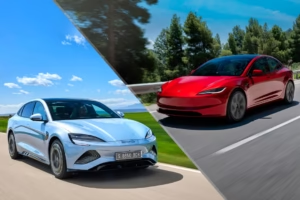
How many cars are sold in the US every year? The answer is surprisingly massive–millions roll off lots annually. From giant trucks to tiny EVs, Americans just can’t stop buying cars. These sales tell us a lot about trends, tastes, and even the economy. Let’s take a fun spin through the numbers.
How Many Cars Are Sold in the US Every Year
In 2024, US auto sales bounced back to pre-pandemic levels, hitting their highest point since 2019. The 15.85 million units sold reflected stronger inventory levels after years of supply chain struggles. Hybrids played a big role in the rebound, with brands like Toyota and Ford reporting record hybrid sales. Buyers were drawn to better fuel economy without fully committing to electric, especially as gas prices stayed unpredictable. The mid-size SUV segment also stayed hot, with models like the Toyota RAV4 and Honda CR-V topping the charts.
What Happens When Tariffs Crash the Party?
As we all can see, the landscape shifted dramatically in early 2025 when President Trump imposed a 25% tariff on imported vehicles and auto parts. Analysts predict this move could lead to a 15–20% drop in new car sales for 2025. The tariffs are expected to raise new vehicle prices by $5,000 to $15,000, pushing average monthly auto loan payments from $750 to over $830.
In response, consumers rushed to purchase vehicles before the price hikes took effect, leading to a short-term sales spike. Yet, with higher prices and reduced availability, many are now turning to the used car market or holding onto their current vehicles longer.

What Past Years Tell Us?
Car sales don’t just follow the road–they follow the economy, supply chains, and sometimes even toilet paper shortages (looking at you, 2020). Over the last decade, the auto industry has seen everything from record-breaking years to sudden slowdowns. One minute it’s all smooth highways, the next it’s potholes and production delays. But every dip and climb tells a story about how people shop, what they drive, and how the world keeps changing.
Car Sales in the Last 10 Years
Between 2015 and 2019, car sales in the US hovered above 17 million units annually, making it one of the strongest stretches in auto history. Then the pandemic hit and everything stalled. In 2020, sales dropped to around 14.5 million due to lockdowns, factory closures, and a global chip shortage.
By 2021, demand surged again, but dealers had nothing to sell. Supply chain chaos turned buying a four-wheeler into something that felt more like winning a lottery. Prices climbed, and buyers turned to used rides instead. In the years that followed, production slowly recovered, but inflation and interest rates kept things unpredictable. By 2024, the market finally found its groove again, but with new challenges (hi, tariffs) already in the rearview mirror.

What Types of Cars Are Selling the Most?
The US car market in 2024 was a mix of familiar favorites and surprising shifts. While SUVs and trucks continued to dominate, sedans held their ground, and luxury vehicles faced unexpected challenges. Notably, the question of how many luxury cars are sold in the US each year took an interesting turn, with high-end models experiencing a significant sales decline.
Sedans are Holding Their Ground
Sedans, once thought to be on the decline, showed resilience in 2024. Models like the Honda Accord and Toyota Camry remained popular, with the Accord selling over 162,000 units. Compact sedans such as the Nissan Sentra also saw increased sales, indicating that affordability and fuel efficiency continue to attract buyers.
Trucks are Still Leading the Pack
Pickup trucks maintained their stronghold in the US market. The Ford F-Series led the pack with over 726,000 units sold. Other models like the Chevrolet Silverado and Ram Pickup also posted impressive numbers, highlighting America’s enduring preference for versatile and powerful vehicles.
SUVs are The Versatile Choice
SUVs continued to be a favorite among American consumers. The Toyota RAV4 topped SUV sales with over 434,000 units sold. Compact and subcompact SUVs gained popularity due to their balance of space, efficiency, and affordability, catering to a wide range of lifestyles.
Who’s Buying All These Cars?
Behind every new set of wheels is someone signing paperwork, checking interest rates, and probably asking, “Does this come in black?” Car buyers in the US are a mix of age groups, income levels, and lifestyles, each with their own reasons for choosing sedans over SUVs or hybrids over muscle vehicles. Trends in who’s buying and what they’re buying reveal a lot about how Americans live, work, and drive.
Car Buyers by Age and Income
Car buying habits can look wildly different depending on age and income. Some shoppers want the latest tech, others just want something that’ll last until the next road trip. You can explore the breakdown in the table below:
| Buyer Group | Market Trends | Popular Vehicle Types |
| Gen Z | 10% of new car purchases in 2024 | Compact SUVs, tech-heavy models |
| Millennials | Dominant force in SUV and hybrid sales | Hybrids, crossovers, EVs |
| Gen X | Steady buyers of family vehicles and SUVs | Midsize SUVs, family sedans |
| Baby Boomers | Strong presence in luxury and truck sales | Luxury vehicles, full-size trucks |
Income plays a major role too. Households earning over $100,000 annually are far more likely to buy new, while others lean toward used or certified pre-owned options. Financing terms also shift by income, with higher earners opting for shorter loans or cash purchases.
How Do Location and Lifestyle Affect What People Drive?
What you drive in New York City is wildly different from what you’d want in rural Texas. In urban areas, smaller vehicles and hybrids dominate, where tight parking and traffic make a giant truck more of a headache than a help.
In suburban areas, family-sized SUVs are the go-to choice, offering space for kids, groceries, and the occasional IKEA trip. Meanwhile, in rural regions, pickups rule the road, often outnumbering sedans entirely. Lifestyle also plays a part–adventurous types lean toward off-road-ready vehicles, while commuters want something reliable and efficient. Where you live and how you live both steer the wheel when it comes to four-wheeler choices.

Where People Are Buying Cars?
The car-buying experience has shifted gears in recent years. While traditional dealerships remain a staple, the rise of online platforms and recent economic policies are reshaping how Americans purchase vehicles.
Dealerships vs. Online Car Shopping
Traditional dealerships continue to play a significant role in car sales, with 16,957 franchised light-vehicle dealers selling 15.9 million light-duty vehicles in 2024, totaling over $1.2 trillion in sales. However, the online vehicle sales industry has experienced notable growth, with 5,588 businesses operating in 2024 and a market size reaching $50.9 billion. This trend reflects a shift in consumer behavior, as 95% of vehicle buyers use digital sources for information, and twice as many consumers begin their research online compared to those who start at a dealership.
New Cars vs. Used Cars
How many used cars are sold in the US each year? Well, the marketplace is shifting because of the new tariff implemented this year. Consequently, many consumers are turning to the used car market, where prices are also climbing due to increased demand. For instance, prices for popular used cars could rise by $890 to $5,169 if the post-tariff market resembles the early COVID market. This shift underscores the broader impact of economic policies on consumer purchasing decisions in the automotive sector.
Which Brands Are on Top?
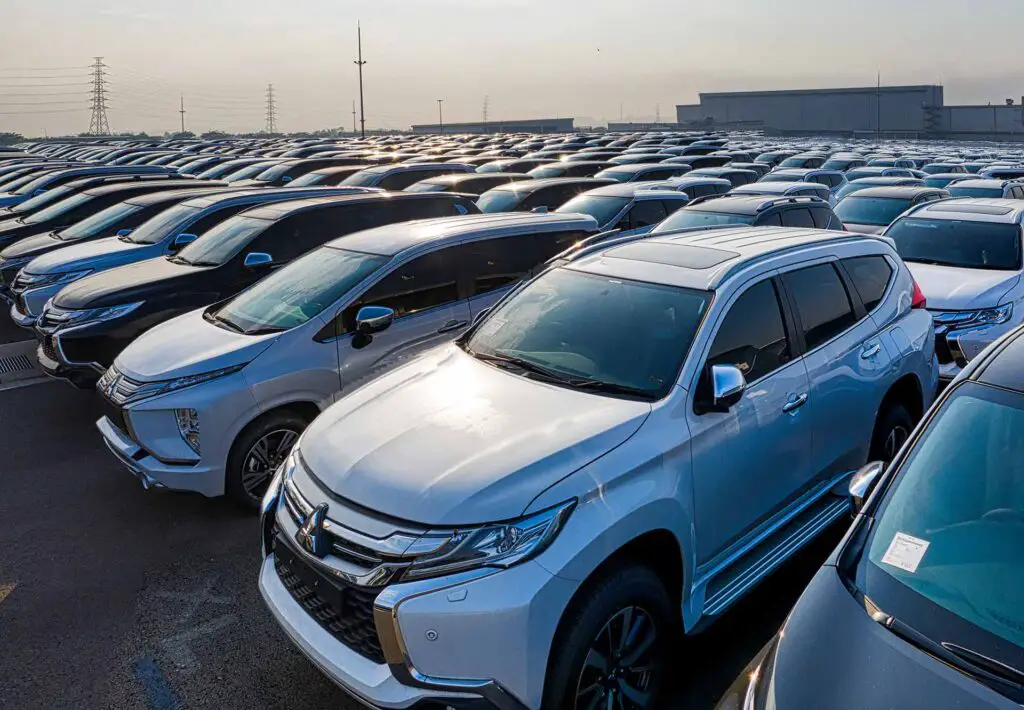
In 2024, General Motors led US auto sales with 2.7 million vehicles sold, followed by Toyota and Ford. Toyota’s growth was driven by its hybrid lineup, with hybrids accounting for 44.5% of its total sales. Ford also saw a 4% increase in sales, totaling 2.08 million vehicles, marking its highest sales figure since 2019. These brands’ success can be attributed to their diverse vehicle offerings and responsiveness to market trends.
Are Electric Cars Taking Over?
EV sales in the US reached 1.3 million units in 2024, accounting for 8.1% of total auto sales, up from 7.8% in 2023. This growth was supported by strong incentives from automakers, attractive lease deals, and federal and state programs. But, how many electric cars are sold in the US each year? Recent policy changes, including the rollback of EV incentives and the imposition of tariffs on imported vehicles and parts, have introduced challenges, potentially slowing the momentum of EV adoption.
Most Cars Sold in a Single Year
The highest number of rides sold in the US in a single year was in 2016, with approximately 17.5 million vehicles sold. In 2024, sales reached 15.85 million units, marking a 2.3% increase from the previous year and the highest since 2019. This resurgence was driven by improved inventories and a growing appetite for hybrids.
Which State Buys the Most Four-Wheelers?
California consistently leads the nation in vehicle sales, owing to its large population and car-centric culture. In 2024, the state saw significant sales of both traditional and EVs, with models like the Tesla Model Y and Toyota RAV4 being particularly popular. The state’s commitment to environmental initiatives and robust charging infrastructure also contribute to its high EV adoption rates.

What Car Sales Really Tell Us?
Car sales in the US are more than just numbers–they’re a mirror of the economy and a hint at where we’re headed. When the economy is strong, people buy more new cars, especially bigger ones with more features.
During tough times, used cars and fuel efficiency become the priority. Trends like the rise of hybrids, the slow but steady EV takeover, and the shift to online vehicle shopping show how much consumer habits are changing. What we drive next will depend on more than just personal style–it’ll reflect tech, policy, pricing, and what’s happening in the world. In the end, the cars in our driveways are rolling proof of how life and the market keep evolving.