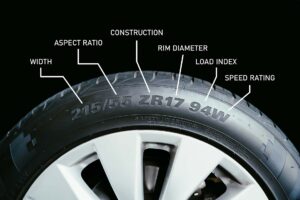
Feeling vibrations or shaking while you’re driving can be unsettling, especially when it seems to come out of nowhere. If you’re dealing with car shaking while driving, it’s usually a sign that something is off, and ignoring it can lead to bigger problems. Let’s break down the most common reasons cars shake based on speed, specific symptoms, and what fixes actually solve the issue, so you know what to check and when to get help.
What Does It Mean When Your Car Shakes While Driving?
When your car shakes while driving, it’s your vehicle’s way of saying something isn’t working the way it should. A smooth ride depends on dozens of parts moving in sync, and when just one of them is worn, loose, or damaged, you can feel it through the seat, floor, or steering wheel. That vehicle vibration while driving can show up as a mild buzz or a strong shake that’s hard to ignore.
In many cases, the issue starts with the tires. Uneven tread wear, low air pressure, or an unbalanced wheel can cause noticeable shaking, especially as speed increases. Suspension and steering components are another common source. Worn ball joints, bushings, or tie rods can lead to instability and even steering wheel shaking while cruising or turning.
Brakes also play a role. Warped rotors or uneven brake pads often cause shaking that’s most noticeable when slowing down. Engine and drivetrain problems can also cause vibrations, particularly if there’s a misfire, a failing motor mount, or a driveshaft issue. While some vibrations are minor, others indicate problems that can worsen quickly if left unchecked. Understanding what the shaking feels like and when it happens is the first step toward fixing it.
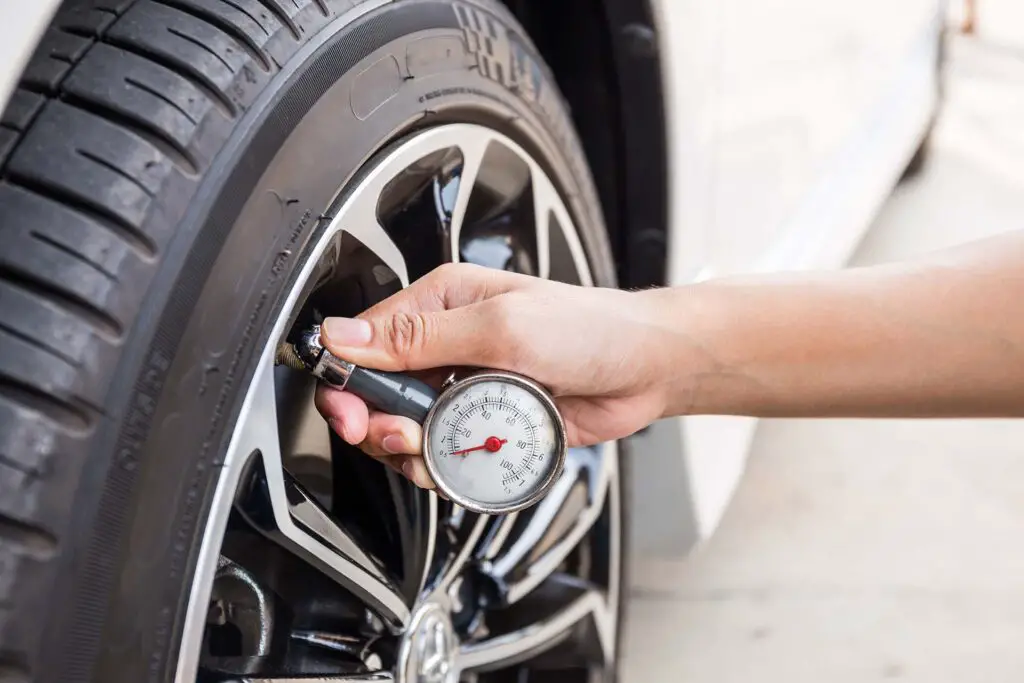
Car Shaking While Driving at Different Speeds
The speed at which shaking occurs can reveal a lot about what’s going wrong. Some issues show up almost immediately at lower speeds, while others only become noticeable once you’re cruising faster. Paying attention to when the vibration starts and how it changes helps narrow down the source and points you toward the right fix instead of guessing.
Car Shaking at Low Speeds
When the car shakes at low speed, the problem is often easier to spot. Damaged tires or uneven tread can cause an inconsistent rolling pattern, leading to noticeable vehicle vibration even before you pick up speed. Bent wheels from potholes or curb impacts can create the same effect and usually get worse as the wheel rotates. Suspension wear is another common culprit. Worn bushings, ball joints, or control arms can allow excess movement, making the car feel unstable and shaky during slow driving or light acceleration.
Car Shaking at Highway Speed
If the issue mainly appears at higher speeds, car shaking at highway speed is often linked to wheel balance or alignment. An unbalanced wheel may feel fine around town, but start vibrating once speed increases. Poor alignment can cause tires to fight against each other, leading to shaking and uneven wear. In some cases, drivetrain problems like a worn or unbalanced driveshaft can cause strong vibrations that become more intense the faster you go.

Car Shaking While Driving and the Most Common Causes
When mechanics inspect a vehicle for shaking or vibration, a few issues keep coming up. These are the most common causes behind car shaking while driving, and they tend to worsen over time if they’re ignored.
Unbalanced or Damaged Tires
Tires need to spin evenly to keep your ride smooth. When a tire is unbalanced or damaged, its weight is unevenly distributed, causing vibration as it rotates. This shaking often starts subtly and becomes more noticeable as speed increases, especially on highways. Hitting potholes, worn tread, or missing wheel weights can all throw tires out of balance.
Worn Suspension or Steering Components
Suspension and steering parts keep your vehicle stable and aligned. When components like ball joints, tie rods, or bushings wear out, they allow excess movement in the wheels. That looseness can translate into shaking, wandering, or vibration felt through the steering wheel or the entire car, particularly on rough roads or during turns.
Brake Issues and Warped Rotors
Brake-related shaking usually shows up when slowing down. Warped rotors or uneven brake pad wear can cause pulsing or vibration through the steering wheel or brake pedal. The harder you brake, the more noticeable the shaking often becomes, making this issue easy to recognize once you know what to look for.
Engine or Drivetrain Problems
Not all vibrations come from the wheels. Engine misfires, worn motor mounts, or transmission issues can create shaking that feels constant or appears during acceleration. Drivetrain problems may cause vibrations that change with speed or load, and they often require prompt attention to prevent further damage.
What Is the Difference Between Steering Wheel Shaking and Whole Car Shaking?
Where you feel the vibration matters just as much as when it happens. Shaking that’s isolated to the steering wheel usually points to problems up front, while vibration felt throughout the entire car often signals issues farther back or deeper in the drivetrain. Knowing the difference helps narrow down the cause faster and avoids unnecessary repairs.
When the Steering Wheel Shakes While Driving
Steering wheel shaking while driving is often caused by front-end components. Front tires that are out of balance or wearing unevenly can send vibrations straight through the steering column. Alignment issues can also cause the wheels to pull against each other, creating noticeable shaking at certain speeds.
When the Entire Vehicle Vibrates
When vibration is felt in the seat, floor, or throughout the cabin, the source is often in the rear or underneath the vehicle. Rear tires with balance issues or damage can create a consistent shake that doesn’t travel through the steering wheel. Drivetrain problems, such as driveshaft imbalance or worn engine and transmission mounts, can also cause widespread vibration that changes with speed or acceleration.

Why Does My Car Shake When Accelerating or Braking?
Shaking that occurs specifically during acceleration or braking usually indicates parts under load. These symptoms are easier to diagnose because they happen during very specific actions, which helps narrow down the source faster than general vibration.
Car Shakes When Accelerating
When a car shakes when accelerating, the issue is often related to components that transfer power to the wheels. Worn CV joints can cause vibration as they struggle to handle torque, especially during turns or quick acceleration. Failing engine mounts are another common cause, allowing the engine to shift excessively under load and send vibrations through the vehicle. In some cases, transmission problems such as internal wear or torque converter issues can cause shaking that becomes more noticeable as speed increases.
Car Shakes When Braking
If your car shakes when braking, the most likely culprit is warped brake rotors. Uneven rotor surfaces create inconsistent contact with the brake pads, leading to pulsing or vibration felt through the steering wheel or brake pedal. Brake pad deposits can cause similar symptoms by creating uneven friction during braking, making the shaking more noticeable the harder you slow down.

Is It Safe to Drive If Your Car Is Shaking?
It depends on how severe the shaking is and when it happens. Mild vibration that comes and goes may be caused by minor issues such as a tire imbalance, but persistent or worsening shaking can signal a serious mechanical problem. Driving with unresolved vibration can lead to faster wear, loss of control, or additional damage, so it should never be ignored.
Stop driving and have the vehicle checked if you notice any of these red flags:
- Sudden or violent shaking that appears without warning
- The car pulling to one side while driving or braking
- Burning smells, grinding noises, or loud clunking sounds
- Shaking that rapidly gets worse with speed or braking
When vibration affects handling or safety, continuing to drive puts both you and the vehicle at risk.

How to Move Forward When Your Car Isn’t Riding Smooth
Car shaking while driving is a warning sign, not a diagnosis on its own. The speed at which the shaking occurs and the situations that trigger it play a major role in identifying the real cause. Paying attention early and addressing the issue before it worsens can help prevent more expensive repairs and unnecessary stress. With the right checks and timely fixes, most vibration problems can be resolved, and your car can get back to delivering a smooth, confident ride.
Frequently Asked Questions About Car Shaking While Driving
Can bad tires cause a car to shake while driving?
Yes. Worn, damaged, or unbalanced tires are one of the most common causes of vibration. Uneven tread, low air pressure, or internal tire damage can all cause shaking that often worsens as speed increases.
Why does my car shake only at certain speeds?
Shaking at specific speeds usually points to wheel balance, alignment issues, or drivetrain components that only create vibration once they reach a certain rotation speed. This is why the car may feel smooth at low speeds but unstable on the highway.
Can an alignment fix a car vibration?
Alignment can fix vibration caused by wheels pulling against each other or by uneven tire contact with the road. However, alignment alone will not solve issues related to tire balance, brake problems, or worn suspension parts.
How much does it cost to fix a car that shakes?
The cost depends on the cause. Simple fixes like tire balancing or alignment are relatively affordable, while repairs involving suspension, brakes, or drivetrain components can be more expensive if the issue is left unresolved.